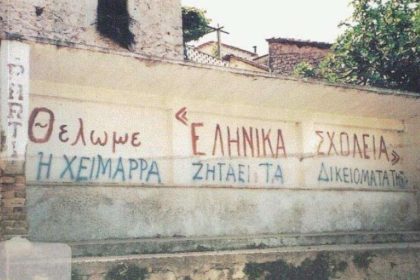
The state-owned international arab news television network Al Arabiya analyzes the decisive role that Italy's failed attack on Greece in 1940 played in the course of World War II. Through historical retrospective, it is revealed how Benito Mussolini's frivolity, the strategic errors of the Italian administration, and the strong Greek resistance contributed not only to the first Allied victory against the Axis, but also to the decisive delay of the German invasion of the Soviet Union.
The French withdrawal and Mussolini's ambition
In June 1940, in the face of the German advance, the French government abandoned Paris, declared it an "open city" and moved to Bordeaux. Italian dictator Benito Mussolini, seeing the imminent fall of France, rushed to exploit the situation to his advantage, declaring war on France and Britain on June 10, 1940, aligning himself with Nazi Germany.
In this context, he decided to launch an independent military campaign, Targeting greece with the aim of reviving Roman "glory" and expanding italian influence in the Balkans.

The invasion plan in Greece
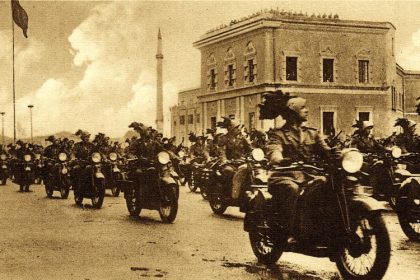
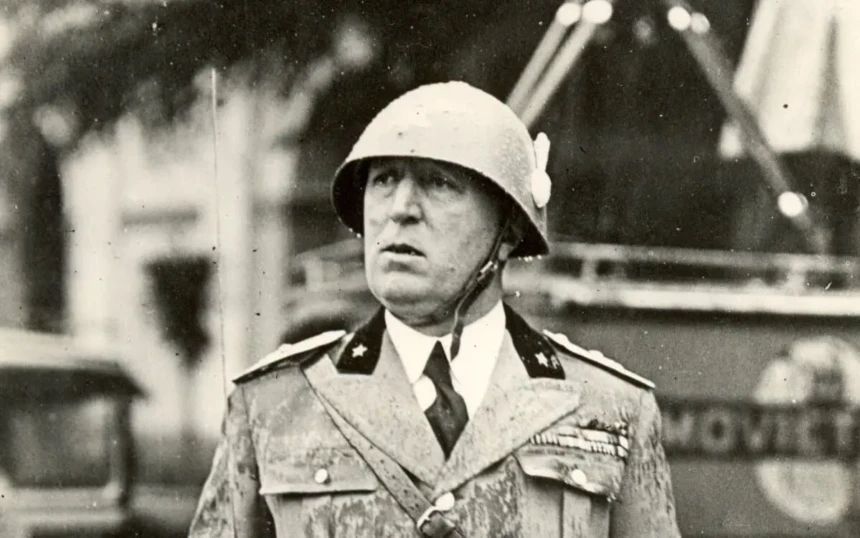
At the suggestion of Foreign Minister Galeazzo Ciano and military officer Ubaldo Sodo, General Sebastiano Visconti Prasca assumed command of the Italian army in Albania in May 1940. By early June, his strength amounted to about 100,000 Italian soldiers, reinforced by two Albanian units.
Mussolini's staff planned an attack on Greece, considering it weak and unprepared. The goal was to occupy Epirus and Eastern Thrace, with approximately 20 Italian units already stationed in Albania.

The repulsion of the invasion by the Greeks
The Italian invasion began on 28 October 1940. Initially there was a rapid advance into Epirus without serious resistance. Praska optimistically reported that Athens would fall within a few days.
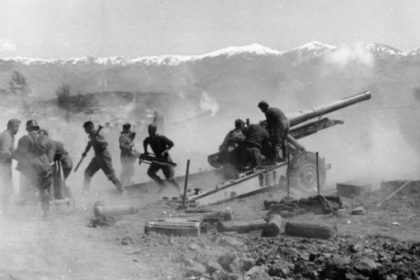
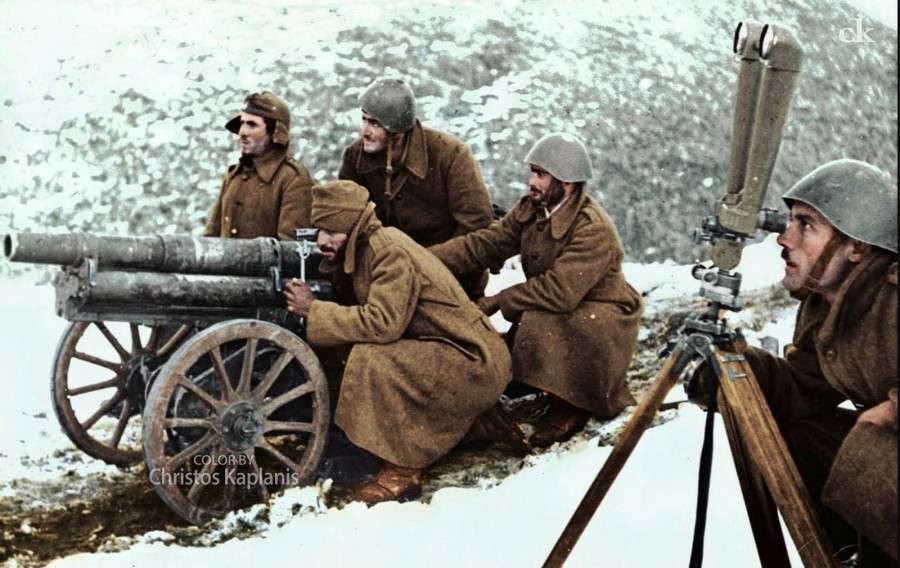
However, the Greek army led by General Alexandros Papagos successfully counterattacked. By November 8, the Italians had stopped. Soon, the Greeks went on the counterattack, recapturing the lost territories and invading parts of Albania.
Praska's strategic failure
Praska underestimated the fighting spirit of the Greek army and failed to adequately prepare his troops. The invasion plan was poorly conceived and did not provide for basic logistical and supply support. The lack of transportation and bad weather contributed to the failure.
Albania, which had been occupied by Italy in 1939, was in danger of falling into Greek hands. Mussolini, enraged, replaced Praska with Sodo, who organized a defensive line inside Albania.
The German intervention and the change in the course of the war
With italy On the brink of military defeat, the Germans decided to intervene. This resulted in a three-month delay in operation Barbarossa — the german invasion of The Soviet Union. the delay proved Fatal, as the german army was caught off guard by the harsh russian winter.
The end of Praska
After the capitulation of Italy in 1943, Praska joined the Italian Resistance. He was captured by the Germans and sent to a concentration camp in Poland. He was liberated by the Red Army in April 1945 and witnessed its entry into Berlin.
Italy's failure in Greece was not just a local defeat, but a turning point in the development of World War II.