

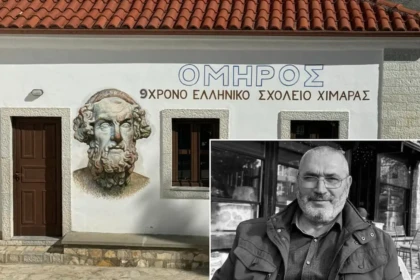
The Albanian government in April 1933, through article 206 of the Albanian Constitution, completely banned the operation of all private schools. The Albanian government included the schools of the Greek National Minority in the private schools. With this decision, Albania sought to permanently free itself as a state from the use of the Greek language in the regions of Northern Epirus.
Ως αντίδραση σε αυτή την πρόκληση του αλβανικού κράτους οι Έλληνες Βορειοηπειρώτες, το Δεκέμβριο του 1933 ιδρύουν στο Αργυρόκαστρ ο τη «Νέα Φιλική Εταιρεία». Σκοπός της «Νέας Φιλικής Εταιρείας», ήταν να ενθαρρύνει την Εθνική Ελληνική Μειονότητα και να την προετοιμάσει για τους μελλοντικούς αγώνες κατά των Τιράνων και την εκ νέου αναγνώριση των διεθνώς αναγνωρισμένων σχολικών προνομίων της μειονότητας. Η οργάνωση αυτή λειτουργούσε τότε στα πρότυπα της «Φιλικής Εταιρείας». Με σύνεση, απόλυτη πειθαρχία και με άκρως μυστικότητα κατάφερε με τις τοπικές εκλογές να ελέγξει την τοπική εξουσία στην περιοχή της Ελληνικής Μειονότητας. Σε κάθε χωριό υπήρχε και ο τομεάρχης που είχε αναλάβει την οργάνωση των Ελλήνων Βορειοηπειρωτών. Ιδρυτής και ηγέτης της «Νέας Φιλικής Εταιρείας» ήταν ο Βασίλειος Σαχίνης.
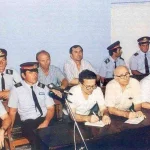
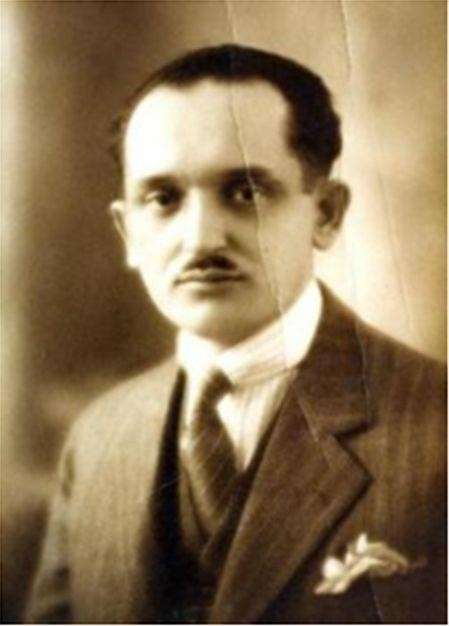
On September 10, 1933, the sector heads Of The "New friendly society" gathered in complete secrecy In dervitsiani, where they decided that until The league Of nations took up the school issue, the struggle should continue.
So they decided to declare a School Strike. greek students In Northern epirus, following the decision Of The "New friendly society", refuse to attend albanian schools and the tirana Regime responds to the strike with persecution of the organizers, terrorism, arrests and deportations of teachers and torture.
- On September 18, 1933, the gradual school strike struggle began among the people of Northern Epirus. By September 25, all Greek schools in Northern Epirus had gone on strike. Not a single student came to register in the school registers as a sign of protest against the Albanian government and King Zog for the closure of most Greek schools in Northern Epirus.
- On January 2, 1934, the section heads of the "New Friendly Society" gathered again in Gjirokastra, where they decided that the time had come for the Greeks of Northern Epirus to appeal to the League of Nations, where they would denounce Albania for the closure of Greek schools.
- By January 23, over thirty thousand signatures of Northern Epirus residents were collected, which were attached to the memorandum and sent to the League of Nations.
- On April 5, 1934, the Albanian government was notified by the Secretary-General of the League of Nations of the appeal of the people of Northern Epirus to the League of Nations against Albania, regarding the school issue.
- On January 14, 1935, a memorandum from the representative of Spain requested the advisory opinion of the International Court of Arbitration in The Hague regarding the school issue that arose in Albania with its decision to close Greek schools.
- On February 21, 1935, the representative of the greek government, Georgios Lagoudakis, submitted a Memorandum to The hague court with its views on the school issue that had arisen in Northern Epirus.
- On April 6, 1935, the Permanent Court of International Justice in The Hague, presided over by the Englishman Sir Cecil James Barrington Hurst, issued its opinion on the appeal of the people of Northern Epirus against Albania. The decision condemned Albania for the closure of Greek schools and obliged it to reopen Greek schools. This decision was a vindication of the struggle of the people of Northern Epirus for the school issue.
- On May 23, 1935, the representative of Spain announced to the Council of the K.T. a statement by the Albanian government through which it adopted the decision of the Hague Court, but at the same time requested a postponement of its implementation.
- On August 30, 1935, Albania, in compliance with the decision of the Hague Court, submitted to the League of Nations a draft regulation for the free operation of schools of the Greek National Minority.
- On September 23, 1935, the Council of the League of Nations unanimously accepted the regulation submitted by Albania on the issue of free Greek education for the National Greek Minority in Northern Epirus.

The entire process and the final decision vindicates the Northern Epirusians on the issue of education and obliges the Albanians to allow the free operation of Greek schools.
After the Corfu protocol, The decision of the hague court Was the second major international victory of northern Epirotic Hellenism.
Article by Kostas Zafirati in the newspaper HELLINISM





Και πόσο καιρό κράτησε άραγε αυτή η δικαίωση; Η ιστορία επαναλαμβάνεται, τελικά.
Κρίμα που τέτοιες αποφάσεις ξεχνιούνται εύκολα. Το δίκιο της μειονότητας πάντα δύσκολο να το βρεις.
Ωραία, βλέπεις; Η δικαιοσύνη νικάει! Και τότε οι Έλληνες δεν σκύβανε το κεφάλι.
Πόσα έχουν τραβήξει οι Βορειοηπειρώτες! Ευτυχώς υπήρξε δικαίωση, έστω και μετά από καιρό.
Μπράβο τους! Η δικαίωση έρχεται, ακόμα και μετά από τόσα χρόνια. Καλό είναι να θυμόμαστε τέτοιες μάχες.
Μπράβο τους! Τελικά η δικαιοσύνη νικάει, ακόμα και μετά από τόσα χρόνια. Σημαντική νίκη.
Μπράβο! Τελικά, η αλήθεια και η ελληνική γλώσσα πάντα βρίσκουν το δρόμο τους, ακόμα και στη Χάγη.
Απίστευτο! 90 χρόνια μετά, ακόμα τα ίδια θέματα να συζητάμε. Μάθημα ιστορίας, ρε παιδιά;
Απίστευτο τι τραβάγανε οι άνθρωποι τότε! Ευτυχώς, υπήρχε η Χάγη να βάλει τα πράγματα στη θέση τους.
Από τότε οι Αλβανοί… Πάντα τα ίδια. Να που κάποτε τους έβαλε στη θέση τους η διεθνής δικαιοσύνη!
Πόσες μάχες δόθηκαν για τη γλώσσα μας! Δικαίωση, έστω και τόσο παλιά, δείχνει πολλά.
Επιτέλους δικαίωση! Πόσο καιρό πάλευαν οι άνθρωποι εκεί για το αυτονόητο δικαίωμα στη γλώσσα τους.
Μπράβο τους! Τουλάχιστον κάποτε υπήρχε δικαιοσύνη για τους Έλληνες της Βορείου Ηπείρου.
Δικαίωση! Πάντα ήταν δύσκολο για τους Έλληνες εκεί. Τόσο παλιά, κι όμως επίκαιρο το θέμα.
Αυτά είναι τα βαλκανικά μας. Πάντα προβλήματα με τις μειονότητες. Ευτυχώς υπήρχε η Χάγη!