

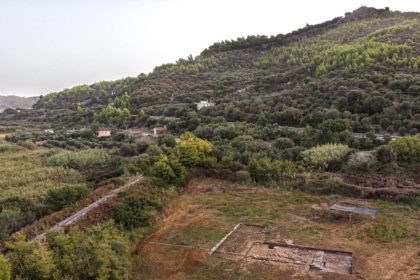
Το Αρχαιολογικό Πάρκο του Βουθρωτού στην Αλβανία είναι ενταγμένο στη Λίστα Παγκόσμιας Κληρονομιάς της UNESCO από το 1992. Φέτος, συμπληρώνονται 100 χρόνια από την ανακάλυψή του, καθιστώντας την επέτειο αυτή σημαντική για την ιστορική και πολιτιστική κληρονομιά της χώρας. Το Βουθρωτό, ιδρυμένο από τους αρχαίους Χάονες, εξελίχθηκε από ελληνική πόλη-κράτος (πόλη) σε ρωμαϊκή αποικία και αργότερα σε επισκοπική έδρα της Βυζαντινής Αυτοκρατορίας.
Με τα σπουδαία μνημεία του, όπως το αρχαίο θέατρο και η παλαιοχριστιανική βασιλική, το Βουθρωτό υπήρξε αντικείμενο εκτεταμένων ανασκαφών από τον Ιταλό αρχαιολόγο Luigi Ugolini, ο οποίος, παρακινούμενος από τις φασιστικές φιλοδοξίες του Μουσολίνι, ανέδειξε την τοποθεσία ως προπαγανδιστικό εργαλείο. Παρά την πολιτιστική και ιστορική σημασία του, η απόφαση της αλβανικής κυβέρνησης να μεταβιβάσει τη διαχείριση του Πάρκου στο Ίδρυμα Αλβανο-Αμερικανικής Ανάπτυξης (AADF) έχει προκαλέσει σοβαρές ανησυχίες.
Το 2018, η αλβανική κυβέρνηση ενέκρινε νόμο που επέτρεπε σε ιδιωτικά ιδρύματα να διαχειρίζονται κρατικούς πολιτιστικούς χώρους. Στο πλαίσιο αυτό, η διαχείριση του Βουθρωτού ανατέθηκε στο Ίδρυμα Διαχείρισης Βουθρωτού (BMF), που ιδρύθηκε από το Υπουργείο Πολιτισμού και το AADF, με 10ετή σύμβαση και δυνατότητα ανανέωσης. Ωστόσο, η απόφαση αυτή δημιούργησε ανησυχίες για πιθανές συγκρούσεις συμφερόντων, αδιαφάνεια και υποβάθμιση της πολιτιστικής κληρονομιάς.
Η UNESCO εξέφρασε τον προβληματισμό της σχετικά με τον κατακερματισμό της διαχείρισης, υπογραμμίζοντας την ανάγκη για κρατικό έλεγχο και διεθνή συνεργασία. Παράλληλα, ανησυχίες έχουν εγερθεί και για τη μείωση της προστατευόμενης ζώνης του Πάρκου κατά 600 εκτάρια, όπου προβλέπεται η κατασκευή ξενοδοχειακού συγκροτήματος.
Ο πρόεδρος του AADF, Michael Granoff, δήλωσε πως το Ίδρυμα θα επενδύσει 5 εκατομμύρια δολάρια, διπλάσια από τη συνεισφορά της κυβέρνησης, αποκτώντας το δικαίωμα να εκδίδει εισιτήρια και να συλλέγει τα έσοδα του Πάρκου. Αντίθετα, ειδικοί επισημαίνουν ότι το Βουθρωτό μπορεί να αποφέρει ετήσια έσοδα άνω των 1,5 εκατομμυρίων ευρώ, καθιστώντας αμφίβολο το όφελος της ιδιωτικοποίησης.
Η UNESCO και η Ευρωπαϊκή Ένωση έχουν ζητήσει επείγοντα σχέδια για την προστασία της περιοχής και τη συμμόρφωση της Αλβανίας με διεθνείς συμβάσεις, όπως η Σύμβαση του 1972 για την Προστασία της Παγκόσμιας Κληρονομιάς. Η αλβανική κυβέρνηση καλείται να υποβάλει αναλυτική έκθεση ως τον Φεβρουάριο του 2025.

Βουθρωτό UNESCO, και μετά πουλάνε την ιστορία; Πραγματικά, δεν το χωράει ο νους μου αυτό.