
 With a glance
At a time when the Albanian government is attempting to project an image of institutional stability and organized crisis management, Prime Minister Edi Rama took stock of government interventions regarding both natural disasters and deeper administrative changes, against the backdrop of the country's international mobility.
The central point of his statements was the completion of the compensation process for the extensive damage caused by the summer fires last year. According to Rama, the relevant decisions have now been activated and concern fifteen municipalities across the country, from northern Albania to the southern regions, including areas such as Tepelen, Saranda, Finiki and Dropoli.
As he claimed, the recording of the damages was done with a "detailed and unified methodology", so that the funds would be directed exclusively to those who were actually affected. The National Civil Protection Service was responsible for coordinating the process, with the government assuring that the foreseen compensations are now at the disposal of the local authorities.
The Albanian Prime Minister also placed particular emphasis on the transfer of the Vlora Cadastral Service to Tirana, a decision that provoked strong reactions at the local level. Rama rejected the criticism, emphasizing that the physical headquarters of an agency is deliberately confused with the essence of serving citizens.
According to the government line, the Land Registry has abandoned the traditional model of counters and physical files, gradually moving to digital services through the e-Albania platform. Property certificates, contract registrations and administrative acts, as he stated, can now be processed remotely, regardless of the citizen's location.
Rama clarified that this move is not an isolated event, but part of a broader plan to restructure public administration. The goal, he said, is to fully digitize procedures, so that citizens receive the result immediately, without physical presence or postal waiting.
On the international front, the Albanian Prime Minister also referred to his recent visit to Israel, which he described as a "moment of national prestige." Beyond the symbolism, he particularly focused on the establishment of the Albanian-Israeli Chamber of Commerce, which, according to him, creates new channels of economic and technological cooperation.
Rama presented Israel as a model in areas such as innovation, agricultural technology and security, emphasizing that this cooperation is part of a long-term development strategy.
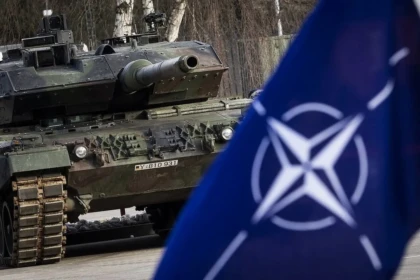
Finally, in the context of his weekly podcast, he also referred to the defense budget for 2026, noting that Albania's defense spending has already exceeded the 2% of GDP threshold. This is, he noted, a level that exceeds NATO's minimum target, sending a message of credibility to allies.
With these positions, the Albanian government is attempting to link internal crisis management, administrative reforms, and its international presence into a single narrative of "modernization," which, however, continues to provoke reactions within the country.