
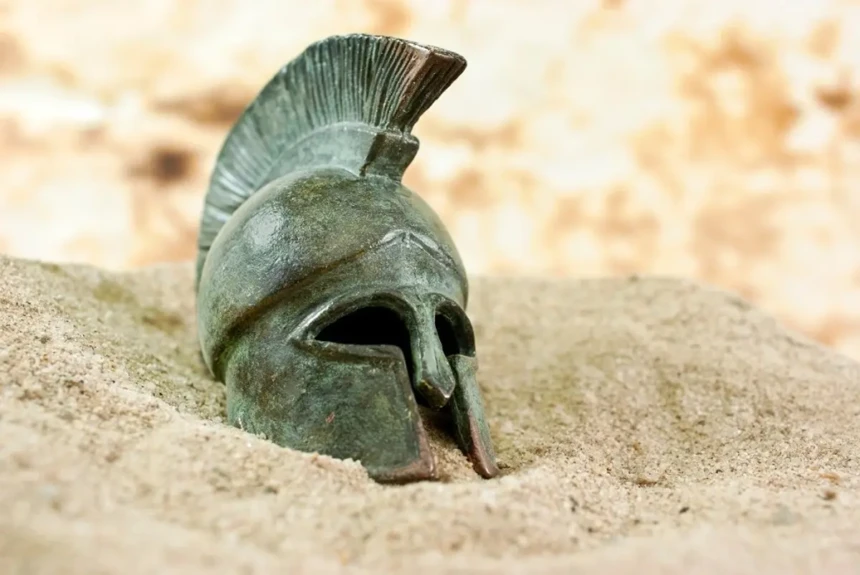
The Aetolians were an ancient Greek tribe, known for their rugged nature and ability to survive in mountainous regions. Despite the fame and strength of Alexander the Great's army, the Aetolians managed to defeat him, inflicting heavy losses on the Macedonians.
Aetolia is located in the southern part of Central Greece. It is first mentioned as a geographical and political entity by Homer, who notes its participation even before the Trojan War.
In the Iliad, the Aetolians appear as a distinct tribal group with their own kingdom and military power – comparable to the Mycenaeans. A prominent figure is Leda, daughter of the mythical king Thestius of Aetolia and mother of the Beautiful Helen. The Iliad also mentions the plague of the Calydonian Boar that struck their country.
The plain area between the rivers Evinus and Achelous formed the Mycenaean heartland of Aetolia. The most important cities were Pleuron and Calydon, which was famous for its fertile plains. The Calydonians and Pleurons participated in the Trojan War as allies of the Mycenaeans, with forty ships under the command of Thoas, son of the king of Pleuron, Andraemon. Archaeological findings of Mycenaean tombs confirm their presence in many parts of the region.
The ancient Aetolian society is considered by many to be almost primitive. They were mainly pastoralists, with a nomadic lifestyle. Polybius questioned their Greekness, while Thucydides reported that the Eurytane – a subgroup of the Aetolians – spoke an unintelligible dialect and ate raw food.
They were warlike and raiding, with religious beliefs adapted to their character. They honored Athena as the goddess of war – more as a female form of Ares than as a goddess of wisdom. They also worshipped Apollo and Artemis as deities of prey, as well as Heracles, Dionysus and the river Achelous.
The Aetolian League was an alliance of ancient Greek tribes living west of Athens and north of the Peloponnese. It is believed to have been formed in the early 4th century BC, following an attempted invasion by the Athenians in 426 BC under Demosthenes. The Aetolians, led by Aegitius, repelled the invasion with the help of the city of Nafpaktos, which had called on the Athenians for aid.
After the failed Athenian attack, the Aetolians sought alliances with Corinth and Sparta. However, the joint Aetolian and Spartan attempt to capture Nafpaktos failed. In the Peloponnesian War (431–404 BC), the Aetolians eventually sided with the Spartan alliance.
In 344 BC, Philip II of Macedon, father of Alexander, reorganized Thessaly and placed his son-in-law on the throne of Epirus. By 340 BC, Aetolia had developed into a military force to be reckoned with throughout Greece. In 338 BC, with Philip's help, the Aetolians captured Nafpaktos.
After the death of Alexander the Great, the Macedonians had dominated almost all of Greece – subduing Athens, Sparta and their allies. But there was one region that maintained its independence: mountainous Aetolia.
In the summer of 321 BC, a Macedonian army of over 30,000 men set out on a campaign to subjugate the region. Led by the powerful general Craterus, one of Alexander's most trusted associates in the Asian campaign, the outcome of the campaign was unexpected.
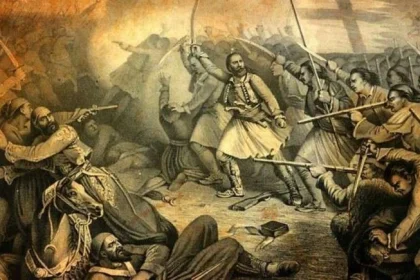
Although numerically inferior, the Aetolians managed to resist through guerrilla warfare. Taking advantage of their knowledge of the difficult terrain, they set up ambushes and defensive positions that trapped the Macedonians, causing heavy losses.
Craterus, a glorious general of the battles of Issus and other wars on the side of Philip and Alexander, believed that he would easily subdue the Aetolians. When the Aetolian tactics made it difficult for him, he attempted to weaken them in other ways: during the winter, he cut them off from the lowlands, trying to starve them and overwhelm them with cold.
However, the hardy Aetolians held out. Their endurance and determination eventually forced the Macedonians to admit defeat and withdraw, seeking a peaceful solution.
The courage and strategy of the Aetolians forced one of the most elite armies in history – the army that had subdued Asia, Athens and Sparta – to retreat. The Aetolians proved that a determined and well-prepared nation, no matter how small, can stand up to even the most invincible opponents.






Αιτωλοί = Ένα ληστρικό, καθυστερημένο πολιτισμικά αρχαιοελληνικό φύλο, το οποίο έγινε γνωστό όταν οι σημαντικές στρατιωτικά και πολιτικά δυνάμεις του ελλαδικού χώρου (Σπάρτη, Αθήνα, Θήβα, Μακεδονικό Βασίλειο, Βασίλειο της Ηπείρου, Αχαϊκή Συμπολιτεία) είχαν πλέον παρακμάσει αμετάκλητα.
Στο «Λεξικόν Κυρίων Ονομάτων» (Κωνσταντινίδου, Ἀνέστη: ΛΕΞΙΚΟΝ ΤΩΝ ΚΥΡΙΩΝ ΟΝΟΜΑΤΩΝ – Κωνσταντινούπολις 1900) αναφέρονται τα ακόλουθα: «…Επαρχία μεταξύ Ακαρνανίας, Θεσσαλίας, Ηπείρου και της θαλάσσης, λαβούσα το όνομα από του εξ Ήλιδος προελθόντος Αιτωλού, υιού του Ενδυμίωνος. Οι κάτοικοι αυτής ήσαν ημιβάρβαροι αλλά μάχιμοι και κατώκουν κατά κώμας ατείχιστους και λίαν απομεμακρυσμένας αλλήλων…»
Μέχρι τον 5ο αιώνα π.Χ. οι Αιτωλοί δεν θα διαδραματίσουν σπουδαίο ρόλο στην ελληνική ιστορία. Στην συνέχεια θα εμπλακούν στην διαμάχη Αθήνας-Σπάρτης παίρνοντας το μέρος των Σπαρτιατών. Από τον 4ο αιώνα π.Χ. η δύναμη των Αιτωλών άρχισε να ανέρχεται ραγδαία ως αποτέλεσμα της δημιουργίας της περίφημης «Αιτωλικής Συμπολιτείας» που θα κυριαρχήσει στα πολιτικά πράγματα της Ελλάδος κατά τον 3ο και 2ο αιώνα π.Χ. Θα συγκρουσθούν συχνά με την Μακεδονία και θα συμμαχήσουν με τους Ρωμαίους εναντίον των Μακεδόνων. Όταν θα συνειδητοποιήσουν τους κατακτητικούς στόχους της Ρώμης, θα ηγηθούν αντιρωμαϊκής συμμαχίας αλλά θα είναι αργά. Οι Ρωμαίοι θα κατακτήσουν μέχρι το 146 π.Χ. ολόκληρη την Ελλάδα και η «Αιτωλική Συμπολιτεία» θα διαλυθεί τελικώς από τον Ρωμαίο αυτοκράτορα Οκταβιανό Αύγουστο (27 π.Χ. – 14 μ.Χ.).
Αξίζει να αναφέρουμε και τα εξής:
Τήν Ἄνοιξη τοῦ 219 π.Χ. ὁ Φίλιππος Ε´ πραγματοποίησε μιά ἐπιτυχημένη ἐκστρατεία ἐναντίον τῶν Αἰτωλῶν. Πολιόρκησε καί κατέλαβε τήν Ἄμβρακο, τό ἐπίνειο τῆς Ἀμβρακίας, πού τοῦ ἔδωσε τόν ἔλεγχο τοῦ Ἀμβρακικοῦ κόλπου. Στό μεταξύ ἕνας στρατός Αἰτωλῶν εἰσέβαλε στήν Μακεδονία, στήν περιοχή τῆς Πιερίας καί ἀφοῦ συνέλεξαν λάφυρα, στήν ἐπιστροφή τους λεηλάτησαν τήν ἱερή πόλη τῶν Μακεδόνων, τό Δίον, ὅπου κατέστρεψαν ἱερά, καθώς καί δημόσια κτήρια.
Ὁ Φίλιππος Ε´ δέν διέκοψε τήν ἐκστρατεία, ἀλλά προχώρησε νοτιότερα καί κατέλαβε τούς Οἰνιάδες, σημαντικό λιμάνι τῶν Αἰτωλῶν στό Ἰόνιο, ἀπέναντι ἀπό τήν Ἰθάκη καί τήν Κεφαλληνία, τοῦ ὁποίου ὀχύρωσε τήν ἀκρόπολη καί τό μετέτρεψε σέ ναυτική του βάση. Τότε πληροφορήθηκε γιά μία μεγάλη εἰσβολή πού σχεδίαζαν οἱ Δάρδανοι ἐναντίον τῆς Μακεδονίας καί προτίμησε νά ἐπιστρέψει στήν Μακεδονία. Ἡ εἰσβολή τῶν Δαρδάνων τελικά δέν πραγματοποιήθηκε καί ἔτσι ὁ Φίλιππος Ε´ ἦταν ἐλεύθερος νά συνεχίσει τίς ἐπιχειρήσεις ἐναντίον τῶν Αἰτωλῶν. Οἱ τελευταῖοι εἶχαν ἐντείνει τίς ἐπιδρομές τους, ὄντας βέβαιοι ὅτι οἱ μακεδονικές δυνάμεις θά παρέμεναν στήν πατρίδα τους, καθώς πλησίαζε ὁ χειμώνας. Λογάριαζαν ὅμως χωρίς τόν Φίλιππο Ε´, ὁ ὁποῖος μέ ταχύτατη προέλαση βρέθηκε τόν Δεκέμβριο στήν Πελοπόννησο, ὅπου σέ μία χειμερινή ἐκστρατεία στήν Ἠλεία καί τήν Ἀρκαδία συνέτριψε τούς Αἰτωλούς, γιά νά καταλήξει στό Ἄργος τόν Ἰανουάριο τοῦ 218 π.Χ.
Ὁ Φίλιππος Ε´ θά παρακολουθήσει τόν Φεβρουάριο/Μάρτιο τήν συνάντηση τῆς Ἀχαϊκῆς Συμπολιτείας καί τήν ἔπεισε νά τόν ἐνισχύσουν σέ μία ναυτική ἐπιχείρηση ἐναντίον τῆς Κεφαλληνίας, τήν ὁποία πραγματοποίησε τόν Μάϊο, ἀλλά χωρίς ἐπιτυχία. Τότε μετέφερε τίς δυνάμεις του στήν Ἀκαρνανία καί ἀφοῦ μέ ἄκρα μυστικότητα συγκέντρωσε ὅσες συμμαχικές δυνάμεις μποροῦσε, πραγματοποίησε μία κεραυνοβόλο ἐπίθεση στήν Αἰτωλία μέ σημαντικά ἀποτελέσματα. Ἔφθασε στό Θέρμο, τό θρησκευτικό καί πολιτικό κέντρο τῆς Αἰτωλικῆς Συμπολιτείας, τό ὁποῖο κατέλαβε, λεηλάτησε καί κατέστρεψε ὡς ἀντίποινα γιά τήν λεηλασία τοῦ Δίου. Μία δύναμη Αἰτωλῶν ἀπό 3000 ἄνδρες ἐπιτέθηκε στήν ὀπισθοφυλακή τοῦ Φιλίππου Ε´, ἀλλά ἔπεσαν στήν ἐνέδρα πού εἶχε προετοιμάσει ὁ Μακεδόνας βασιλιάς καί τράπηκαν σέ φυγή μέ μεγάλες ἀπώλειες. (Δημήτρη Ε. Ευαγγελίδη: Αρχαία Μακεδονία – «Ινφογνώμων», Αθήνα, 2012).