
Μια νέα διεθνής στρατιωτική πρωτοβουλία για τη Γάζα διαμορφώνεται στην Ουάσιγκτον, με πέντε χώρες να δηλώνουν πρόθεση συμμετοχής σε δύναμη «σταθεροποίησης», η οποία παρουσιάστηκε στο πλαίσιο συνεδρίασης του λεγόμενου «Συμβουλίου Ειρήνης» που συνδέεται με τον πρώην πρόεδρο των ΗΠΑ, Ντόναλντ Τραμπ.
Επικεφαλής της υπό συγκρότηση αποστολής τοποθετήθηκε ο Αμερικανός στρατηγός Τζάσπερ Τζέφερς. Όπως ανέφερε, στόχος είναι η δημιουργία συνθηκών ασφάλειας στη Γάζα μέσω μιας πολυεθνικής παρουσίας. Σύμφωνα με τον ίδιο, η Ινδονησία θα έχει κεντρικό ρόλο στη διοικητική δομή, με αξιωματικό της στη θέση του αναπληρωτή διοικητή.
Ο πρόεδρος της Ινδονησίας, Πραμπόβο Σουμπιάντο, δήλωσε ότι η χώρα του μπορεί να συνεισφέρει έως και 8.000 στελέχη, υπογραμμίζοντας πως η αποστολή θα έχει ειρηνευτικό και ανθρωπιστικό χαρακτήρα. Η Τζακάρτα ξεκαθάρισε ότι τα στρατεύματά της δεν θα εμπλακούν σε μάχιμες επιχειρήσεις ούτε σε άμεσες συγκρούσεις, αλλά θα επικεντρωθούν στην προστασία αμάχων, την υγειονομική στήριξη, την ανοικοδόμηση και την ενίσχυση των τοπικών σωμάτων ασφαλείας.
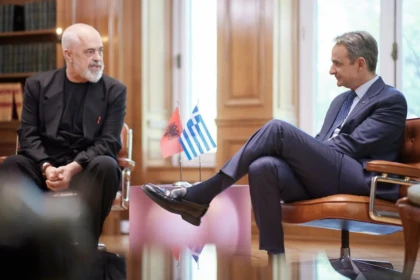
Στην ίδια πρωτοβουλία συμμετέχουν επίσης το Καζακστάν με στρατιωτικό και υγειονομικό προσωπικό, το Μαρόκο με αστυνομικές δυνάμεις, καθώς και το Κόσοβο και η Αλβανία με αποστολή στρατιωτών. Η ανακοίνωση της αλβανικής συμμετοχής ήρθε λίγο μετά τη διήμερη επίσημη επίσκεψη του πρωθυπουργού Έντι Ράμα στο Ισραήλ, εξέλιξη που ερμηνεύτηκε από διπλωματικούς παρατηρητές ως ένδειξη στενότερης πολιτικής σύμπλευσης.
Η Αίγυπτος και η Ιορδανία αναμένεται να συνδράμουν μέσω εκπαίδευσης παλαιστινιακών αστυνομικών δυνάμεων.
Παρά τις διαβεβαιώσεις περί ανθρωπιστικού χαρακτήρα, η πρωτοβουλία έχει ήδη προκαλέσει αντιδράσεις. Η Διεθνής Αμνηστία στην Ινδονησία, δια του επικεφαλής της Ουσμάν Χαμίντ, προειδοποίησε ότι η συμμετοχή σε έναν μηχανισμό χωρίς σαφή και ευρεία παλαιστινιακή εκπροσώπηση ενδέχεται να δημιουργήσει σοβαρά νομικά και πολιτικά ζητήματα, κάνοντας λόγο για κίνδυνο ενίσχυσης παραβιάσεων του διεθνούς ανθρωπιστικού δικαίου.
Ανάλογες επιφυλάξεις εκφράζονται και από παλαιστινιακές πλευρές, οι οποίες φοβούνται ότι η νέα δύναμη θα μπορούσε να παγιώσει την ισραηλινή παρουσία στη Λωρίδα της Γάζας, σε μια περίοδο όπου, παρά τις ανακοινώσεις περί εκεχειρίας, συνεχίζονται επιθέσεις και περιορισμοί στην είσοδο βασικών αγαθών.
Σε αντίθεση με αποστολές που λειτουργούν υπό την αιγίδα των Ηνωμένων Εθνών, όπως η Προσωρινή Δύναμη των Ηνωμένων Εθνών στον Λίβανο (UNIFIL), η νέα δύναμη δεν εντάσσεται σε πολυμερές θεσμικό πλαίσιο, γεγονός που ενισχύει τα ερωτήματα σχετικά με τη νομιμοποίηση και τον ρόλο της.
Το αν η πρωτοβουλία θα συμβάλει πράγματι στη σταθεροποίηση της Γάζας ή θα ανοίξει έναν νέο κύκλο γεωπολιτικών εντάσεων, θα φανεί το επόμενο διάστημα σε μια περιοχή όπου κάθε διεθνής παρέμβαση κρίνεται με ιδιαίτερη καχυποψία.