
Ο Πρωθυπουργός του Ηνωμένου Βασιλείου, Κιρ Στάρμερ, ξεκινά σήμερα διήμερη επίσκεψη στα Τίρανα με στόχο την ενίσχυση της συνεργασίας σε θέματα μετανάστευσης και την επέκταση επιτυχημένων κοινών πρωτοβουλιών με την Αλβανία και σε άλλες χώρες της περιοχής.
Το Ηνωμένο Βασίλειο σκοπεύει να εντείνει τις προσπάθειες για την εξάρθρωση των εγκληματικών δικτύων που τροφοδοτούν την παράτυπη μετανάστευση στα Δυτικά Βαλκάνια.

Η επίσκεψη αυτή έρχεται αμέσως μετά την παρουσίαση του Λευκού Βιβλίου για τη Μετανάστευση από τον Βρετανό Πρωθυπουργό, ενός ολοκληρωμένου σχεδίου για τη δραστική μείωση της καθαρής μετανάστευσης προς το Ηνωμένο Βασίλειο.
Κατά την πρώτη επίσημη επίσκεψή του, ο Στάρμερ θα επισκεφθεί το λιμάνι του Δυρραχίου, για να διαπιστώσει από κοντά τη συνεργασία μεταξύ Ηνωμένου Βασιλείου και Αλβανίας στην καταπολέμηση της εμπορίας ανθρώπων, την παρεμπόδιση εν δυνάμει μεταναστών και τη σύλληψη εγκληματιών που χρησιμοποιούν πλαστά έγγραφα.
Σύμφωνα με ανακοίνωση της βρετανικής κυβέρνησης, η συνεργασία με την Αλβανία έχει αποδείξει ότι η στρατηγική της πρόληψης και της αναχαίτισης από τα αρχικά στάδια μπορεί να μειώσει αισθητά τις παράνομες μεταναστευτικές ροές προς τις βρετανικές ακτές.
Η ίδια πηγή αναφέρει ότι οι αφίξεις Αλβανών με λέμβους έχουν μειωθεί κατά 95% τα τελευταία τρία χρόνια, ενώ ο αριθμός των Αλβανών που επαναπατρίστηκαν έχει διπλασιαστεί – 5.294 το 2024 έναντι 2.035 το 2022.
Κατά τη διάρκεια της παραμονής του στην Αλβανία, ο Στάρμερ αναμένεται να ανακοινώσει την επέκταση της Κοινής Δύναμης Μετανάστευσης που έχει συσταθεί με την Αλβανία και το Κοσσυφοπέδιο, ώστε να συμπεριλάβει πλέον και τη Βόρεια Μακεδονία, ενώ θα συνεχίσει θετικές συνομιλίες με το Μαυροβούνιο.
Η συγκεκριμένη δύναμη συνενώνει ειδικούς από τις συμμετέχουσες χώρες, για τον σχεδιασμό και την υλοποίηση επιχειρήσεων εντοπισμού, πρόληψης και διαχείρισης της παράτυπης μετανάστευσης. Το Ηνωμένο Βασίλειο θα ενισχύσει την ανταλλαγή πληροφοριών με τις τοπικές αστυνομικές αρχές και θα στείλει drones για την ανίχνευση συμμοριών που μεταφέρουν μετανάστες μέσω του Δυτικοβαλκανικού διαδρόμου.
Επιπλέον, θα βοηθήσει την Αλβανία και το Κοσσυφοπέδιο στην ενίσχυση των συνοριακών ελέγχων.
Η επέκταση της Κοινής Δύναμης Μετανάστευσης εντάσσεται στο ευρύτερο πλαίσιο του επικείμενου Βαλκανικού Συνεδρίου που θα πραγματοποιηθεί το φθινόπωρο στο Ηνωμένο Βασίλειο, με έμφαση στην περιφερειακή ασφάλεια, την οικονομική ανάπτυξη και την αντιμετώπιση κοινών προκλήσεων όπως οι εξωτερικές παρεμβάσεις και η παράτυπη μετανάστευση, μέσω καινοτόμων λύσεων.
Δήλωση του Πρωθυπουργού Στάρμερ:
«Οι παγκόσμιες προκλήσεις απαιτούν κοινές λύσεις, και η συνεργασία μας με την Αλβανία ήδη προσφέρει ασφάλεια στους πολίτες και των δύο χωρών. Η κοινή μας δράση για την αποτροπή, τον εντοπισμό και την επιστροφή παράτυπων μεταναστών αποδεικνύει ότι η δράση από τη ρίζα είναι η σωστή προσέγγιση για την προστασία των συνόρων μας. Κάθε βήμα που κάνουμε για να καταπολεμήσουμε την παράνομη μετανάστευση και τα εγκληματικά δίκτυα που την υποστηρίζουν, οδηγεί σε ασφαλέστερους δρόμους στη Βρετανία και ανακουφίζει τις δημόσιες υπηρεσίες που χρηματοδοτούνται από τους φορολογούμενους».
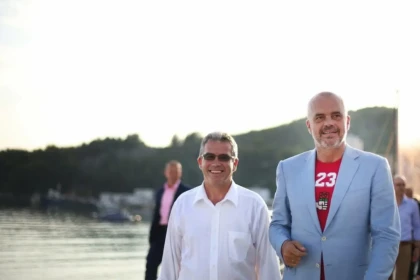
Ο Στάρμερ αναμένεται να συμφωνήσει με τον Αλβανό ομόλογό του, Έντι Ράμα, στην ενίσχυση των μέτρων κατά της διακίνησης ανθρώπων, τη στήριξη των θυμάτων εμπορίας και την αποτροπή της επανάληψης της προσπάθειας μετανάστευσης από όσους επαναπατρίζονται.
Επιπλέον, οι δύο χώρες θα ξεκινήσουν νέο πρόγραμμα καταπολέμησης της παράνομης χρηματοδότησης, με έρευνες για δίκτυα ξεπλύματος χρήματος που λειτουργούν ανάμεσα στην Αλβανία και το Ηνωμένο Βασίλειο.
Η Βρετανία θα δωρίσει επίσης δύο συσκευές εντοπισμού πλαστών εγγράφων στην Αλβανική Αστυνομία, για την ανίχνευση παραποιημένων διαβατηρίων και την επαλήθευση της γνησιότητάς τους.
Θα υποστηρίξει, επιπλέον, την καταπολέμηση του λεγόμενου “φαινομένου της περιστρεφόμενης πόρτας”, δηλαδή της επιστροφής μεταναστών που επαναπροσπαθούν να διαφύγουν. Θα ξεκινήσει νέο πρόγραμμα κοινωνικής επανένταξης και εύρεσης εργασίας για τους νέους, με επίκεντρο τη βόρεια Αλβανία, περιοχή απ’ όπου προέρχεται το μεγαλύτερο ποσοστό των παράτυπων μεταναστών.
Οι δύο χώρες θα ενισχύσουν και τη συνεργασία στον τομέα της σοβαρής οργανωμένης εγκληματικότητας, μέσω της χρηματοδότησης ενός νέου προγράμματος ιατροδικαστικών ερευνών. Το πρόγραμμα θα επιτρέψει την ανταλλαγή και παρακολούθηση δειγμάτων DNA εγκληματιών για την εξιχνίαση εγκλημάτων στη Βρετανία.
Η πρόσφατη εφαρμογή αυτού του προγράμματος οδήγησε στη σύλληψη 55 επικίνδυνων εγκληματιών – περιλαμβανομένων δολοφόνων και βιαστών – χάρη στη στενή συνεργασία μεταξύ των δύο χωρών. Το πρόγραμμα σημείωσε 1000 ταυτοποιήσεις σε βρετανικές βάσεις δεδομένων τους τελευταίους 18 μήνες.
Η βρετανική κυβέρνηση θα επενδύσει επιπλέον 1 εκατ. λίρες φέτος σε αυτό το στρατηγικό εταιρικό σχήμα για την αναβάθμιση των ικανοτήτων της Αλβανίας στους τομείς της εγκληματολογίας, της βιομετρίας και των ψηφιακών δεξιοτήτων.
Αυτό θα επιτρέψει στις αρχές των δύο χωρών να ταυτοποιούν και να συγκεντρώνουν αποδείξεις για μερικά από τα σοβαρότερα εγκλήματα που έχουν διαπραχθεί σε Αλβανία, Ηνωμένο Βασίλειο και αλλού.
Αργότερα σήμερα, ο Βρετανός Πρωθυπουργός θα επισκεφθεί τις ένοπλες δυνάμεις της Βρετανίας και της Αλβανίας που εκπαιδεύουν Ουκρανούς στρατιώτες στο πλαίσιο της Επιχείρησης Interflex, επιβεβαιώνοντας την εμβάθυνση της συνεργασίας στον τομέα της άμυνας και της ασφάλειας.
Η δεύτερη μέρα της επίσκεψης περιλαμβάνει τη συμμετοχή του στο Ευρωπαϊκό Πολιτικό Φόρουμ, όπου θα προεδρεύσει σε στρογγυλή τράπεζα για την Άμυνα και την Ασφάλεια, συνεχίζοντας τις συζητήσεις για καινοτόμες λύσεις στο πρόβλημα της παράτυπης μετανάστευσης.