
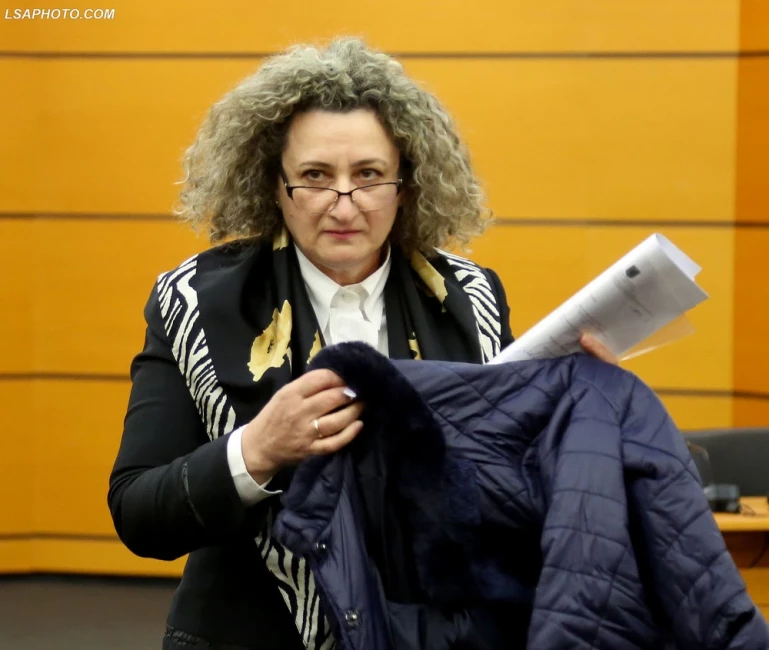
Η υπόθεση της δικαστού Irena Gjoka επανέρχεται στο δημόσιο προσκήνιο, αυτή τη φορά μέσα από θεσμικές διαδικασίες που αφορούν τη λογοδοσία και τη διαφάνεια στο αλβανικό δικαστικό σύστημα.
Η ανώτατη επιθεωρητική αρχή της Δικαιοσύνης στην Αλβανία έχει κινήσει πειθαρχική έρευνα σε βάρος της δικαστού του Ειδικού Πρωτοβάθμιου Δικαστηρίου, εξετάζοντας εάν υπήρξαν πράξεις ή παραλείψεις που συνδέονται με τη μη δήλωση καταδίκης από ελληνικό δικαστήριο το 2005.

Σημειώνεται ότι η ενεργοποίηση των πειθαρχικών μηχανισμών πραγματοποιείται με εμφανή χρονική καθυστέρηση. Η ύπαρξη καταδικαστικής απόφασης σε βάρος της Irena Gjoka είχε γίνει γνωστή ήδη από τον Μάρτιο του 2024, ενώ περίπου έναν χρόνο αργότερα δημοσιοποιήθηκε και το πλήρες περιεχόμενο της απόφασης του Πρωτοδικείου Ιωαννίνων. Παρ’ όλα αυτά, η επίσημη έναρξη της διαδικασίας έρχεται σχεδόν δύο χρόνια μετά τις αρχικές αποκαλύψεις.
Η υπόθεση είχε προηγουμένως εξεταστεί στο πλαίσιο μακρόχρονης διοικητικής διερεύνησης, η οποία ξεκίνησε έπειτα από αίτημα του Ανώτατου Δικαστικού Συμβουλίου της Αλβανίας και διήρκεσε περίπου 20 μήνες. Η Γενική Εισαγγελία ανακοίνωσε ότι ολοκλήρωσε τον σχετικό έλεγχο, χωρίς ωστόσο να δώσει στη δημοσιότητα τα συμπεράσματά της.
Το πόρισμα διαβιβάστηκε στο Ανώτατο Δικαστικό Συμβούλιο, το οποίο απέρριψε το αίτημα για περαιτέρω επανεξέταση του δικαστικού καθεστώτος της Gjoka. Η απόφαση αυτή προκάλεσε εσωτερικές αντιδράσεις, με αποτέλεσμα να ζητηθεί η παρέμβαση της επιθεωρητικής αρχής της Δικαιοσύνης.
Παράλληλα, η Ειδική Εισαγγελία κατά της Διαφθοράς και του Οργανωμένου Εγκλήματος έχει ανοίξει ποινική δικογραφία έπειτα από μήνυση της δικηγόρου Adriana Kalaja, με αντικείμενο τη φερόμενη απόκρυψη καταδίκης που συνδέεται με πλαστογράφηση επίσημων εγγράφων.
Η Irena Gjoka έχει στο παρελθόν περάσει τη διαδικασία δικαστικού ελέγχου, από την οποία προέκυψε η παραμονή της στο δικαστικό σώμα, καθώς η σχετική απόφαση επικυρώθηκε μετά την απόσυρση της προσφυγής του Δημοσίου Επιτρόπου.
Οι καταγγελίες απέκτησαν ευρύτερη δημοσιότητα μετά την υπογραφή από τη δικαστή των μέτρων ασφαλείας εις βάρος του πρώην πρωθυπουργού Σαλί Μπερίσα στο πλαίσιο της υπόθεσης «Partizani», γεγονός που όξυνε την πολιτική αντιπαράθεση γύρω από το πρόσωπό της. Η ίδια δικαστής είχε κεντρικό ρόλο και στη δική του Φρέντη Μπελέρη.
Η εξέλιξη της υπόθεσης πλέον δεν αφορά μόνο τη συγκεκριμένη δικαστή, αλλά εγείρει ευρύτερα ερωτήματα για την αποτελεσματικότητα και την αξιοπιστία των μηχανισμών ελέγχου της Δικαιοσύνης στην Αλβανία και για την πολυσυζητημένη δικαστική μεταρρύθμιση που αποτελεί προϋπόθεση για την ευρωπαϊκή ολοκλήρωση της χώρας.






Απαράδεκτη καθυστέρηση δύο ετών! Η δικαιοσύνη είναι τυφλή, αλλά όχι και κουφή. Ντροπή στους θεσμούς που ξεχνάνε.