
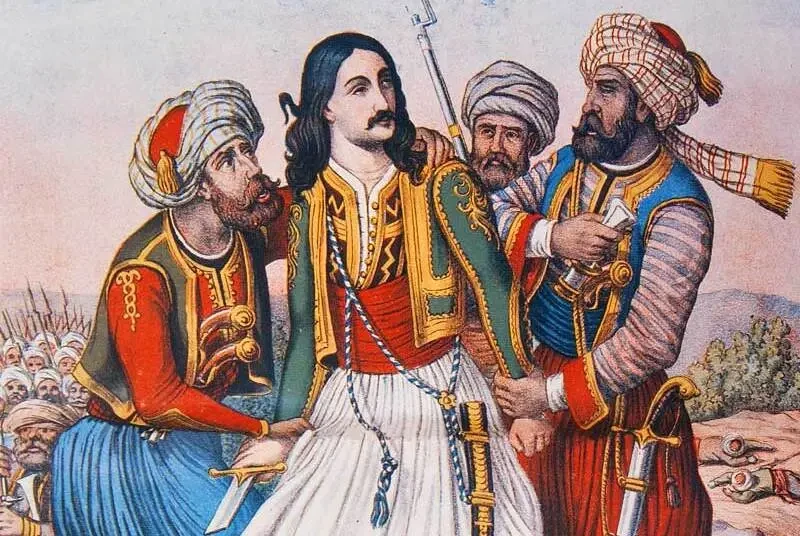
Beyond the supposedly "great" and timeless contribution of all kinds by the Albanians to Greece, they themselves and their friends here have stunned us with their contribution to the Greek Revolution of 1821. Obviously they mean the Albanian chieftains who, together with thousands of other Greeks from Vienna and Trieste to Beirut and from Alexandria to Odessa, with countless sacrifices and struggles, established the modern Greek state.
Προφανώς οι κύριοι δεν λένε να εννοήσουν με τίποτε ότι οι Αρβανίτες πρόγονοι μας, δικοί μας, δεν έχουν να κάνουν τίποτε με τους δικούς τους. Οι άνθρωποι αυτοί σε όλοι την ιστορία τους εντάχθηκαν οικειοθελώς και πλήρως με την ταυτότητά τους, όπως και πλήθος άλλοι, στο σώμα του νεοελληνικού έθνους αμετάκλητα και μόνο οι απόγονοι και συμπατριώτες τους έχουν το δικαίωμα να τους επικαλούνται. Μπορεί οι ιδρυτές του ελληνικού κράτους που πήραν τις αποφάσεις τους ελεύθεροι και με τα όπλα στα χέρια να είχαν άλλη εθνική συνείδηση και να μην μετακινούνταν λίγα μέτρα πιο πέρα, να ενωθούν με τους Τούρκους όπως έκαναν τότε οι περισσότεροι Αλβανοί; Οι οποίοι πέρα από αυτά που λένε πολλοί είχαν ξεκάθαρη από τότε αλβανική εθνική συνείδηση και επιλογή να ακολουθούν τους συμπατριώτες τους Οθωμανούς αξιωματούχους. Κάτι που εξηγεί τη μέχρι σήμερα τουρκολαγνεία τους. Δηλαδή τι ήταν η Ελληνική Επανάσταση αλβανικός εμφύλιος; Έχουμε φθάσει στο εξωφρενικό σημείο να επικαλούμαστε τα αυτονόητα πλέον.
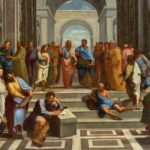
The audacity of the Albanian fanatics reaches indescribable absurdities by baptizing Albanians, beyond the Albanian-speaking Souliotes and Hydra captains, even Karaiskakis and Kolokotronis. Wherever they see a mustache and a foustanella, they see Albanians, regardless of the fact that not all Albanian tribes wore foustanellas, but only the southern ones, while many Balkan Slavs also wore them.
Κατά τη λογική τους επειδή ο Σαρακατσάνος Καραϊσκάκης αρχιστράτηγος των Ελλήνων στην Ρούμελη και ο Τούρκος της Κιουτάχειας Μεχμέτ Ρεσίτ πασάς βεζίρης της Ρούμελης ήταν Αλβανοί επειδή στη συνάντηση τους μίλησαν αλβανικά τη μόνη κοινή γλώσσα που τσάτρα-πάτρα μπορούσαν να χειριστούν και οι δύο για να συνεννοηθούν. Ή ήταν ο Θ. Κολοκοτρώνης Αλβανός επειδή ο παππούς του Γιάννης Μπότσικας, γιος του Δήμου Τσεργίνη, μετονομάστηκε σε Κολοκοτρώνης λόγω των δυνατών του τετρακεφάλων από έναν Αρβανίτη που είπε γι’ αυτόν αστειευόμενος: «Βρε τι Μπιθεγκούρας είναι τούτος;» και τους έμεινε από τότε σαν οικογενειακό όνομα η ελληνική μετάφραση.
Οφείλουμε να ομολογήσουμε ότι κατά τη διάρκεια της Ελληνικής Επανάστασης, χιλιάδες Αλβανοί έχασαν τη ζωή τους ντύνοντας στα μαύρα όλη την Αλβανία όπως και την Ελλάδα, αλλά για άσχετους με αυτούς που φαντάζονται οι σημερινοί λόγους. Υπερασπιζόμενοι τα αξιώματα τους στην Οθωμανική αυτοκρατορία, υπερασπίζοντας την πίστη τους μερικοί, αλλά το κυριότερο υπερασπίζοντας την τσέπη τους και ελπίζοντας να αυξήσουν την περιουσία τους. Τότε στην είδηση μόνο της στρατολόγησης λουφετζήδων (μισθοφόρων) και πιθανής λεηλασίας ελληνικών χωρών κινητοποιούνταν όλο το αλβανικό έθνος μουσουλμάνοι, ορθόδοξοι και καθολικοί, Γκέκηδες, Τσάμηδες, Τόσκηδες, Λιάπηδες οι καθολικοί Μιρδίτες και Μαλισόροι, χριστιανοί Σκοδράνοι, Γαρδικιώτες, Λακκιώτες και άλλοι.
Αξίζει να σημειωθεί ότι η ελληνικής συνείδησης Αρβανίτες και Ηπειρώτες και αν ακόμα τύχαινε να βρεθούν κατά των Ελλήνων, πάντα ενώνονταν μαζί τους οριστικά. Για παράδειγμα ο Χιμαριώτης Σπύρο-Μήλιος με τους τρεις αδερφούς τους και 250 Χιμαραίους πολέμησε στο πλευρό των Ελλήνων, όπως και ο ηρωικός Χατζή-Μιχάλης Νταλιάνης που πολέμησε με το ιππικό και πεζικό σώμα των συμπατριωτών του Αργυροκαστριτών και Δελβινιωτών. Αντίθετα Αλβανοί μπέηδες, ντερβεναγάδες και φρούραρχοι υπήρχαν διάσπαρτοι σε όλη την Ελλάδα και τυρρανούσαν τον κόσμο υπηρετώντας τα αφεντικά τους. Το γεγονός αυτό δίνει στους σημερινούς απογόνους τους το δικαίωμα κατά την αρπαχτική κρίση τους να θεωρούν αλβανικές περιοχές την Άρτα, την Πρέβεζα, τα Γιάννενα και ότι άλλο τους κατέβει διεκδικώντας παλιά τσιφλίκια και ενδεχομένως και ραγιάδες να τα καλλιεργούν.
Οι Αλβανοί και οι Έλληνες πολεμιστές είχαν τότε φιλικές σχέσεις πολλές φορές ως συντοπίτες και κορόιδευαν τους ανατολίτες Τούρκους λέγοντάς τους Κονιάρους, Χαλδούπηδες ή Ντουντούμηδες, βέβαια στον πόλεμο ήταν αμίληκτοι μεταξύ τους, αλλά προστάτευαν κανένα παλιόφιλο αν έπεφτε στα χέρια τους. Στην αρχή οι επαναστάτες προσπάθησαν μάταια να προσεταιριστούν τους Αλβανούς για να αποδυναμώσουν τους Τούρκους παίζοντας το παιχνίδι του αρχηγού τους αποστάτη Αλή πασά, αλλά οι Αλβανοί γρήγορα τον παράτησαν συντασσόμενοι με το Σουλτάνο. Οι μισθοφόροι Αλβανοί πολλές φορές δεν ήταν πιστοί προδίδοντας τα αφεντικά τους παραδίδοντας κάστρα και τους εντός Τούρκους στους Έλληνες για να σώσουν το τομάρι τους. Σημασία έχει ότι κάθε χρόνο της Ελληνικής Επανάστασης ξεκινούσαν 2 εκστρατείες σε Δυτική και Ανατολική Στερεά Ελλάδα και μία επιπλέον από το 1825 στην Πελοπόννησο και 4 στόλοι Κωνσταντινούπολης, Αλεξάνδρειας, Τύνιδας και Αλγερίου, σύμπας ο μουσουλμανικός οθωμανικός κόσμος της Μεσογείου με τους Αλβανούς να αποτελούν σημαντική μερίδα των στρατιών, θεωρούμενους ως επίλεκτο σώμα να αντιμετωπίσει τους ορεσίβιους και σκληροτράχηλους Έλληνες. Ειδικά τα πρώτα χρόνια οι Αλβανοί ήταν η συντριπτική πλειοψηφία των τουρκικών στρατιών που οδηγούσαν και Αλβανοί πασάδες. Πρώτη φορά στην εκστρατεία του Δράμαλη το 1822 είδαν οι Έλληνες στρατό σχεδόν αποκλειστικά ανατολιτών με διαφορετική ενδυμασία από του ίδιους και τους Αλβανούς. Όλες ανεξαιρέτως οι εκστρατείες αυτές οδήγησαν σε λουτρά αίματος και με μικρό ποσοστό των εκστρατευόντων να επιστρέφει, με τους περισσότερους να αφήνουν τα κόκκαλά τους στις ελληνικές κοιλάδες και πλαγιές ή να γίνονται τροφή των ψαριών στις ελληνικές θάλασσες.
Επειδή οι Αλβανοί φαίνεται βαριούνται να διαβάσουν την ελληνική ιστορία για να βρουν τους προγόνους τους και περιορίζονται στον να «κλέβουν» τους δικούς μας, στην συνέχεια παραθέτουμε μια σειρά, όχι πλήρη, των επίσημων Αλβανών που πολέμησαν κατά των Ελλήνων μεταξύ των ετών 1821-1829. Τα περισσότερα ονόματα προέρχονται από ένα βιαστικό «σκανάρισμα» των έξι τόμων του έργου «Η Ελληνική Επανάστασις» του Διον. Κοκκίνου, του βιβλίου «Αλβανοί, Αρβανίτες, Έλληνες» του Σαρ. Καργάκου, της «Διήγησις Συμβάντων της Ελληνικής Φυλής» του Θ. Κολοκοτρώνη και άλλα από παλιά διαβάσματα που προστέθηκαν από μνήμης μετά από διασταύρωση.
Here is the list:
Ibrahim pasha, the well-known schizophrenic who unsuccessfully attempted with his French officers to quell the revolution, son of the viceroy of Egypt, Mohamed Ali, who was An albanian bey from Kavala.
Omer Pasha Vryonis, a former general of Ali Pasha Tepelenlis, pasha in various cities of Epirus, campaigned during the years 1821-22 at the head of thousands against the Greek revolutionaries.
Moustafa Pasha of Shkodra (Mustafas), set out in 1823 with 16,000 mainly Albanians, the majority of whom were Christians, and even had Croatian troops. His army was specialized for mountain battles and he started with many hopes that were dashed by Markos Botsaris, mainly and the other chieftains of Western Sterea, who forced his army to disband and him to a humiliating flight and not to attempt a new campaign.
Ismail Pasha of Pliassa, An albanian pasha who campaigned several times against the Rebellious Greeks (even at Psara in 1824).
Ahmed pasha Vryonis, launched a revolution against the Greeks in its early days.
Isuf pasha Perkoftsalis, an Albanian pasha who campaigned several times against the rebellious Greeks.
Mustambeis, στρατηγός του Κιουταχή (Μεχμέτ Ρεσίτ πασά, Ρούμελη Βάλεσι) είχε στήσει ενέδρα κατά την έξοδο των Μεσολογγιτών σκοτώνοντας 500, σκοτώθηκε από τον Καραϊσκάκη στην Αράχωβα το 1826 και το κεφάλι του καρφώθηκε σε παλούκι μαζί με του Κεχαγιάμπεη του Κιουταχή. Χαρακτηριστικά λέγαν γι’ αυτόν ότι ήταν τότε: «το μεγαλύτερο οτζάκι της Αλβανίας και η ψυχή του Κιουταχή και των Αλβανών». Μαζί του στην Αράχωβα σκοτώθηκαν και 1300 επίλεκτοι Αλβανοί «ο ανθός της Αλβανίας», μόνο 100 γλύτωσαν από την ενέδρα των Ελλήνων του Καραϊσκάκη. Οι τότε Αλβανοί θρήνησαν το θάνατό του με τραγούδι που σώθηκε:
"The Greeks of Athens and Alamanni are our captains, our captains are our captains, Mustafay is our brother, Kush is our brother, Mustafay is our brother, who is our brother? Who is the Jew Karaiskakis, the bearded man, the mustache? Look. "...the scoundrel Livadi, the brother, the ass and the skipper."
by Author
Στα ελληνικά:
"From Athens to Alamana, many are captains. Many are captains, but they killed Mustapha! Who killed Mustapha, who was a star in our blood? But Karaiskakis, the black-faced, long-moustachioed one, killed him. "..the frog of Livadia killed the lion of Arvanitia!..."
by Author
Karefil bey, his brother Mustafa-bey was also killed in Arachova
Brother of Banouzis Sevlianis: was killed along with the others in Arachova.
Tahir Ambazis, general of Ali Pasha Tepelenli, fought against the Greeks from 1821. In the early years of the revolution he was a very important Albanian and for a time during Ali's rebellion he collaborated with the Greeks.
Ago Vassiaris, an important figure under Ali Pasha and Omer Vryonis, was subsequently captured by the Souliotes of Markos Botsaris and later massacred to avenge Markos' death in Karpenisi in 1823.
Melek pasha Gekas, operated in Lamia in 1821.
Telecha bey Fezon, leader of the Gekidi cavalry of Omer Vryonis in Alamana and Gravia in 1821.
Mustafa bey Kafezezis, leader of the Tsamidian cavalry of Omer Vryonis in Alamana and Gravia in 1821.
Silichtar Bodas, an important Albanian general of the Turks throughout the revolution.
Ago Mouhourdaris, Albanian general of the Turks, fought in the Battle of Peta in 1821.
Nourkas Servanis, dervenagas and mutaselimis of Karleli in Vrachori in 1821, later garrison commander of Arta, he was killed in Trikeri, Magnesia in 1827.
Tahir Papoulias, dervenagas of Kravara and Apokorou in 1821.
Mustafa bey, Kehayambay (chief of staff of Hursit Pasha), leader of the besieged Turks and Albanians in Tripolitsa in 1821.
Ali bey, brother of Mustafabey, was killed in the Battle of Grana in 1821, outside Tripolitsa
Ismail Bey of Vlioris, Turko-Albanian bibasis (thielarchos) of Kioutachi.
Arrow of Bey Yatzis, Turko-Albanian bibasis (thielarchos) of Kioutachi.
Jane Martolatzis, Turko-Albanian bibasis (thielarchos) of Kioutachi.
Mustafa Martinis, Turko-Albanian bibasis (thielarchos) of Kioutachi.
Aslan Demtzis, Turko-Albanian bibasis (thielarchos) of Kioutachi.
Hassan Bilousis, Turko-Albanian bibasis (thielarchos) of Kioutachi.
Banouze Sevranis, Turko-Albanian bibasis (thielarchos) of Kioutachi.
Son of Schulze Korca, Turko-Albanian bibasis (thielarchos) of Kioutachi.
Kehriman bey Gatzis, Turko-Albanian bibasis (thielarchos) of Kioutachi.
Zavaliani Prokos, Turko-Albanian bibasis (thielarchos) of Kioutachi.
Lioulio Tzaparis, Turko-Albanian bibasis (thielarchos) of Kioutachi.
Hassan pasha Gekas, was killed in a night raid on the Kioutachi camp in 1825.
Elmaz Metzos, operated in 1821 in Epirus.
Bekir agha Tzogadouros, governor Of preveza In 1821, had other participations.
Schulze Kortzas, dervenagas of Trikala in 1822 and acted elsewhere.
Suleiman Metos, a Turkish-Albanian chieftain who operated in Epirus in 1821.
Hasa bey Vryonis, a Turkish-Albanian chieftain who operated in Epirus in 1821.
Murto Tzalios, a Turkish-Albanian chieftain who operated in Epirus in 1821.
Islam bey Kokka, a Turkish-Albanian chieftain who operated in Epirus in 1821.
Mohamed Dalianis, A turkish-Albanian chieftain from Konispoli, operated in Epirus in 1821.
Islam Pronyos, A turkish-Albanian chieftain from Paramythia, operated in Epirus in 1821.
Balio Housos, A turkish-Albanian chieftain from Margariti, operated in Epirus in 1821.
Hassan Hussos, A turkish-Albanian chieftain from Margariti, operated in Epirus in 1821.
Ismail Beni Konitza, a Turkish-Albanian bey who operated in Epirus in 1821.
Jelaleddin bey, commander Of ohrid, fell fighting In 1823 At kefalovrysos In evrytania by Markos Botsaris.
Jaffer bey Frasaris, leader of the vanguard of Ismail Pasha Pliassa, fell at Kompoti, Arta in 1821.
Frasaris (another), was captured in Vasilika for the second time while he had sworn that he would not fight the Greeks again and was flayed alive by the Agorgianites.
Ibrahim Premetis, attacked the Kalarrites of Epirus in 1821.
Hussein bey, son of Mustafa Pasha of Delvinos, was the garrison commander of Parga in 1821.
Zenes Tsaparis, an Albanian chieftain who operated in Parga in 1821.
Deli Havezos, garrison commander of Patratsiki in 1821.
Ginko Hametzis, a Turkish-Albanian chieftain fought in the Battle of Peta in 1821.
Vekut Gardikis, A turkish-Albanian chieftain fought In plaka, Epirus, in 1821.
Tahir Mourtotzalis, a Turkish-Albanian chieftain who operated in Epirus in 1821.
Chegobeis, a Turkish-Albanian chieftain who operated in Epirus in 1821.
Matos agha Latifi, a Turkish-Albanian chieftain who operated in Epirus in 1821.
Maxout Sropoulis, An albanian officer Of Abdul abboud pasha Of thessaloniki, attacked the inhabitants of Olympus in 1821.
Tahir Tsaparis, chieftain of Omer Vryonis attacked the people of Soulio in 1822.
Ibrahim Demos, chieftain of Omer Vryonis attacked the people of Soulio in 1822.
Ismail Pronios, chieftain of Omer Vryonis attacked the people of Soulio in 1822.
Ago Bentos, officer of Ismail pasha Pliassa.
Hadji Bentos, officer of Ismail pasha Pliassa.
Isuf bey, an officer of Mahmud Pasha Dramalis, was rescued in Akrata in 1822.
Tamaz Bibasis, an officer of Mahmud Pasha Dramalis, was rescued in Akrata in 1822.
Abdullah bey, Albanian leader in the attack on Aitolikos in 1823 where he was wounded.
Pracho Previstas, Albanian leader in the Battle of Ambliani in 1824.
Tselio Pitsaris, Albanian chieftain who reinforced Perkovtsali Pasha at the Battle of Ambliani in 1824.
Mane Louzatis, an Albanian chieftain was besieged in Gostitsa in 1824.
Kalem Tepelenis, an Albanian chieftain was besieged in Gostitsa in 1824.
Hassan Tsaparis, an Albanian-Tsami chieftain from Fanari, Epirus, active in 1821.
Hoto Pronios, Albanian-Tsami chieftain active in 1821.
Aslanakis, leader of Mustafabey's albanians When he entered the besieged tripolitsa, Where he and the rest were locked up
Ahmed bey Demos, from the Filiates, Albanian mercenary in Tripolitsa in 1821, he had 800 Christian Albanians in his body, he died during the siege
Lima bey Kogiatsa, Albanian leader in the siege of Tripolitsa in 1821
Arrow of Kogiatsa Bey, Albanian leader in the siege of Tripolitsa in 1821
Kaliobeis Bonos, the son of Mitsa Bonos, leader of the Albanians in the siege of Tripolitsa in 1821
Ibrahim Lalaios, Peloponnesian Turk-Albanian, operated in Lala and Patras
Chantzos Lalaios, Peloponnesian Turk-Albanian acted in Lala, Patras
Jaffer Feidas, a Lalaian Turk-Albanian, acted in 1821.
Roumbis Vardouniotis, a Peloponnesian Turk-Albanian, acted in the siege of Tripolitsa.
Abdul bey Arnaoutoglou, an important Turk of Tripolitsa in 1821.
Ibrahim Arnaoutoglou, commander of Kalavryta between the years 1820-1821.
Suleiman Arnautoglu, voivode of Kalamata in 1821.
Nefezis Karahousos, Lalaios Turkalvanos was killed in 1821.
Mustafa Hatzos, Lalaios Turkalvanos was killed in 1821.
Beykos Kechagias, Turkish-Albanian negotiator of the Lalaeans.
Kutsoraip agha, Lalaios Turkalvanos acted in 1821.
Musta-bey Kiafa Zezas, A turkish-Albanian officer Of abazh pasha during his campaign in Eastern Europe in 1825 (perhaps already mentioned).
Hota-bey of Gjirokaster, A turkish-Albanian officer Of abazh pasha during his campaign in Eastern Europe in 1825.
Veli-agas of Grevena, A turkish-Albanian officer Of abazh pasha during his campaign in Eastern Europe in 1825.
Mahmud bey Kostouri, A turkish-Albanian officer Of abazh pasha during his campaign in Eastern Europe in 1825.
Ibrahim Kostretzis, A turkish-Albanian officer Of abazh pasha during his campaign in Eastern Europe in 1825.
Mukhtar-bey Kiaftisis, a Turkish-Albanian officer of Kioutachis in Athens in 1827.
Isouf Divenis, Albanian commander of Lidoriki before the revolution, was mild and kind, but was tortured and hanged from the walls of the Acropolis of Athens in 1827 with 17 others, in revenge when the besieging Turks skewered 2 Greek prisoners.
Mustafa agha Sugarinis, general of the Gegidos of Kioutachis during the siege of the Acropolis of Athens in 1827.
Magdaris, leader Of albanians In chios, Was captured by fabiero's army in 1828.
Musa Bey, leader of the Turko-Albanian garrison of Koroni who capitulated in 1828.
Mustafa Bey, leader of the Turko-Albanian garrison of Koroni who capitulated in 1828.
Bey's arrow, leader of the Turko-Albanian garrison of Koroni who capitulated in 1828.
Mehmet Devolis, commander of the Salona garrison in 1828.
Orhan Kiafaxisis, leader of the Turko-Albanians in Korakovrysi, Boeotia, in 1828, where he was arrested.
Kior Ibrahim, commander of the garrison who surrendered Nafpaktos in 1828.
Feta Cheese Toukoflis, co-signed the surrender of Messolonghi in 1829.
Nouri Tzopis, co-signed the surrender of Messolonghi in 1829.
Martzo Tsourigounis, co-signed the surrender of Messolonghi in 1829.
Ahmet Previstas or Deprivistani: dervenagas of Kravar in 1828, he had interesting correspondence with Kitsos Tzavelas about his Albanian origin, who as soon as he captured him stamped him along with his men with a heated seal, forming on their bodies the phoenix, the Greek national emblem under Kapodistrias, so that they would remember him.
Nureddin agha Beloukbasis, fought at Petra in Boeotia.
Aslambeis Mouhourdaris, fought with 1500 Turko-Albanians in the last battle of the struggle at Petra in Boeotia. So the Albanians were present and consistent throughout the duration and phases of the Greek Revolution. The fate of the Turko-Albanian beys, aghas and chieftains when they went to ask for their salaries from Kioutachis:
"The Grand Vizier Resit Pasha summoned to the Monastery of Pelagonia the leaders of the Albanians who fought against Greece in order to pay them salaries and expenses. Approximately 400-500 tribal chiefs and other Albanian dignitaries arrived. After Resit welcomed them well and offered them a meal, he ordered certain divisions of the army to shoot the alleged Albanians. This was approximately how the Albanians were always rewarded for their services to the Turks." We close the list of Albanian co-protagonists in The Greek revolution Of 1821 with The albanian anecdote Tafil Pouzis.
«… το τέλος του Ταφήλ Μπούζ. Αυτός ήταν Αλβανός οπλαρχηγός στην υπηρεσία του Αλή πασά. Όταν όμως ο Αλής κυκλώθηκε από τον Χουρσίτ, ο Ταφήλ δεν είχε κανένα δισταγμό να τον προδώσει και να μπει στην υπηρεσία του Ομέρ Βρυώνη. Στη διάρκεια του Ελληνικού Αγώνα αυτομόλησε και προσεχώρησε στους Έλληνες. Μετά την απελευθέρωση διοικούσε σώμα Αλβανών που το μισθοδοτούσε η ελληνική κυβέρνηση. Το σώμα αυτό διαλύθηκε, με εισήγηση του Θεοδ. Κολοκοτρώνη. Ο Ταφήλ τότε πήγε να συναντήσει τον Κιουταχή, ο οποίος τον σκότωσε το 1832».
Th. Kolokotronis about Tafilpouzis: "...they decided that Tafilpouzis and his battalion should pass through Karytaina and go to Gastouni under the Ottoman flag, with Ottoman pantieras, with the hand of Mohammed. Hearing this, I sent and brought him out in disgrace, and if I had the enmity that I later received, we would have killed them. And I sent for him (Tafilpouzis) and he gathered the pantieras, and I told him that if he ever passed through with open pantieras, the widowed women would kill him:
– Where do you fly the Turkish flag, on Greek soil?
– What is our fault? Kolettis told us: "Do your job and wear whatever flag you want. He gave us jobs, he made fun of Turks and Romans."
Τώρα ας βγάλει ο καθένας τα συμπεράσματά του, όπου βλέπει πασάς ας σκεφτεί άλλους 3-4 χιλιάδες, όπου μπέης 1-2 χιλιάδες και από 500-1000 για τους υπόλοιπους για να δει τη συνεισφορά των Αλβανών στην Ελληνική Επανάσταση. Αν είχαν προσφέρει όπως λένε οι Αλβανοί θα υπήρχε ελληνικό αλλά και αλβανικό κράτος από το 1822-23.



Πολύ σάλτσα μάθετε παγκόσμια ιστορία όχι μόνο την δική σας
Ju jeni racistat me te medhenj te atij vendi dhe te greqis…ju jeni gjak prishur flisni per vendin qe jetoni ter urenjtje dhe ter ofendime…jeni kafsha me e keqe qe la enveri aty
Γλύφτες
Eiste pseftes kai den kserete ti lete dropi sas . Olo anakeivies. Arvanites einai kai tha einai alvani lai esis tourkospori
Είσαι τουρκοσπορος τουρκαλβανε για αυτο συνεργαζόσουν με τους Τούρκους αφέντες σου.
Έχεις και κανονική ιστορία εκτος από παγκόσμια?
Μίλησε ο παντελονατος