

Σύντομη ιστορία της Ιλλυρίας – Η ιλλυρική γλώσσα – Σχέσεις Ιλλυριών και Αλβανών – Η περίφημη «ιλλυρική» επιγραφή που αποδείχθηκε… ελληνική – Τα αρχαία ελληνικά φύλα στην Ήπειρο – Οι ανασκαφές των Αλβανών αρχαιολόγων στη Βόρειο Ήπειρο και τα αρχαιοελληνικά ευρήματά τους
Οι ελληνοαλβανικές σχέσεις εξακολουθούν να βρίσκονται στο προσκήνιο, με τον ένα ή τον άλλο τρόπο.
Κι ενώ από την ελληνική κυβέρνηση, υπάρχουν ήπιες αντιδράσεις (;), κάποιοι στη γειτονική χώρα φροντίζουν να ρίχνουν λάδι στη φωτιά και να πυροδοτούν εντάσεις. Πρόσφατα παραδείγματα, ο ηθοποιός Λαέρτης Βασιλείου (Laerti Vasili στην Αλβανία), ο οποίος εκτός από όσα απαράδεκτα είπε για τον Κωνσταντίνο Κατσίφα, ανέφερε ότι οι Αλβανοί είναι αρχαίος λαός που ζει στα δικά του εδάφη, ο πολιτικός μαθουσάλας Σαλί Μπερίσα, που ζήτησε να καταργηθεί ο εορτασμός του «Όχι» στη Βόρειο Ήπειρο(μήπως θέλει να γιορτάζουμε το «ναι» των συμπατριωτών του, που βρέθηκαν ξαφνικά ανάμεσα στους νικητές του Β’ Παγκοσμίου Πολέμου;), και διάφοροι άλλοι. Για ην τεκμηρίωση της πανάρχαιας παρουσίας τους στην περιοχή, οι Αλβανοί υποστηρίζουν ότι είναι απόγονοι των Ιλλυριών. Όταν βέβαια οι συνομιλητές τους δεν γνωρίζουν περί Ιλλυρίας, είναι πολύ εύκολο να πεισθούν. Ή όταν οι Αλβανοί παρουσιάζουν ως αποδείξεις για όσα λένε, διάφορες μελέτες κάποιων κατευθυνόμενων «επιστημόνων», σίγουρα ορισμένοι δέχονται τις απόψεις τους. Ας δούμε όμως, με ατράνταχτα επιστημονικά στοιχεία, την ιστορία της Ιλλυρίας και την πραγματικότητα για την ιλλυρική γλώσσα, της οποίας ΚΑΝΕΝΑ δείγμα κειμένου δεν έχει έρθει στο φως μέχρι σήμερα
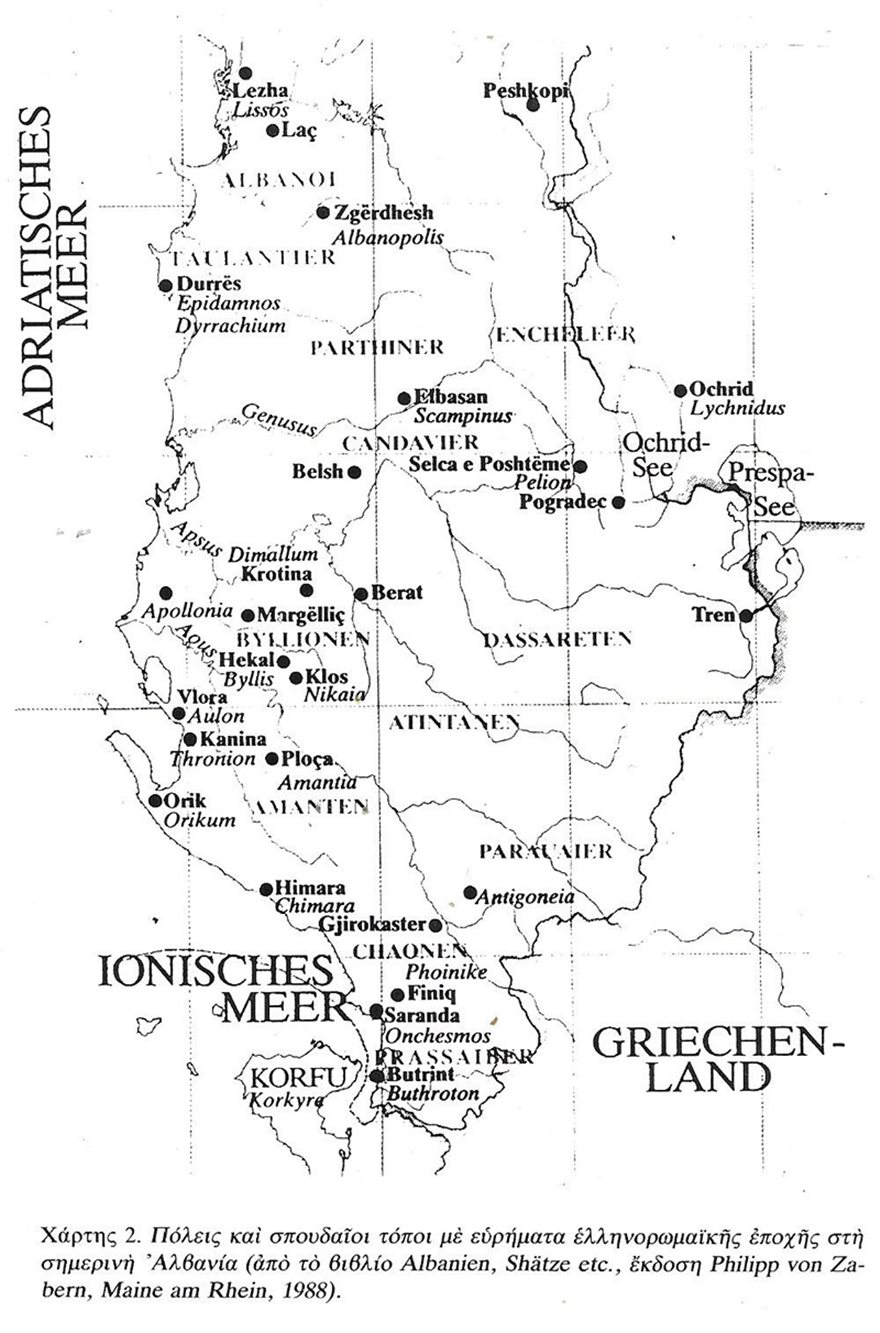 From the book: FOTIOS M. PETSAS, "PAGES FROM THE HISTORY OF EPIRUS FROM MYTHICAL TIMES TO OUR DAYS", IMIACH PUBLISHINGS, IOANNINA 1993
The history of Illyria
Illyria is a region of the western Balkan Peninsula, the boundaries of which cannot be clearly defined as the Illyrians did not have a stable social and political structure.
However, the core of Illyria is considered to be a broad coastal zone of the Adriatic, whose extreme limits were defined by Epirus to the south and the course of the Morava and the middle Danube to the northeast.
This ambiguity of boundaries has given various nationalist groups and grandiose tendencies in modern times grounds for political exploitation.
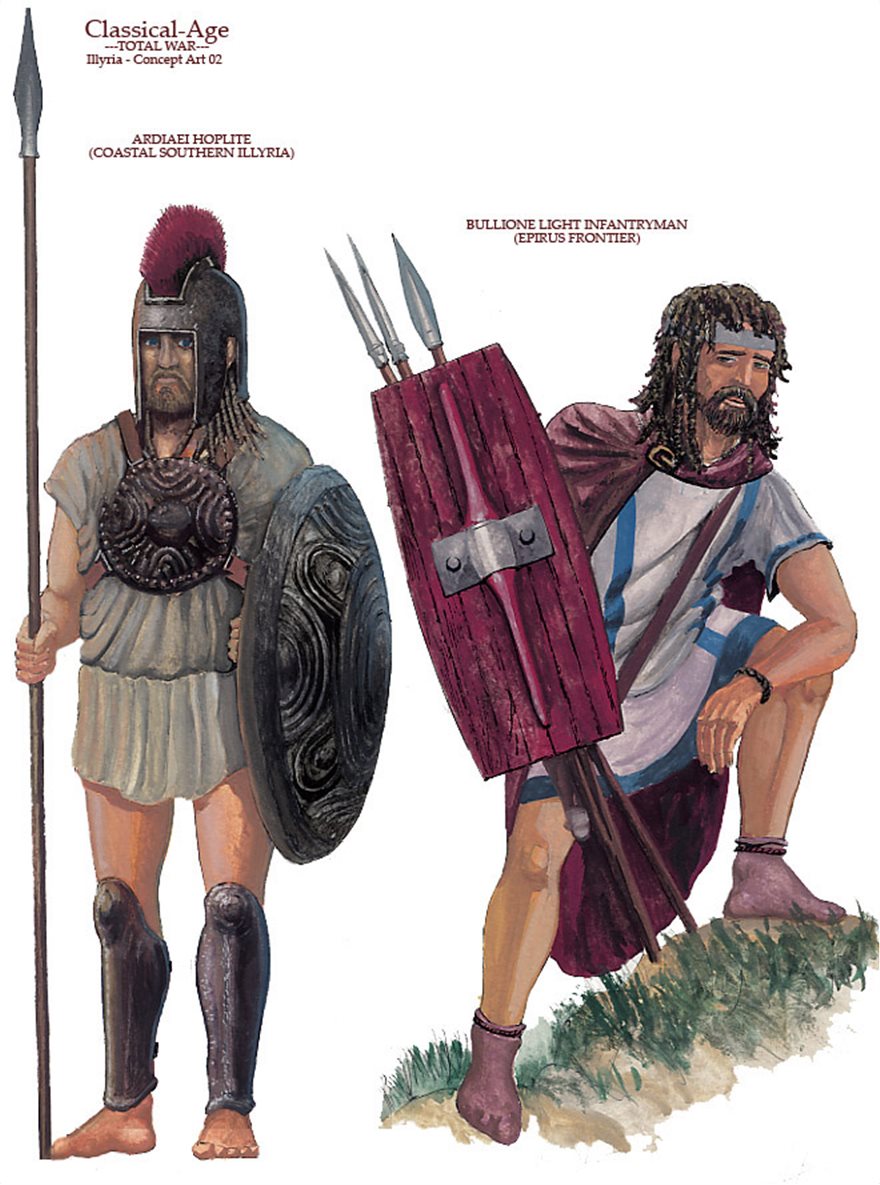
The first Indo-European inhabitants, the Illyrians, settled in the region in the 3rd millennium BC. In the following millennia, they developed relations with the inhabitants of Central Europe, the Etruscans, the inhabitants of the rest of the Balkans, as well as the Minoans and Mycenaeans who controlled the sea trade routes on the Adriatic coast.
In historical times, things become unclear, as sources provide scant and fragmentary evidence.
Κάποιοι δέχονται ότι οι Ιλλυριοί είχαν ενιαίο κράτος, άλλοι όμως όχι. Και αν όντως υπήρχε κράτος των Ιλλυριών, αυτό δεν μπορεί να τοποθετηθεί γεωγραφικά με απόλυτη ακρίβεια. Αόριστα αναφέρουν οι αρχαίοι συγγραφείς ως έδαφος του κράτους αυτού, την περιοχή του Ριζονικού Κόλπου και της Λαβεάτιδος λίμνης.
Αγνοούνται επίσης η θέση και η ονομασία της πρωτεύουσας του ιλλυρικού κράτους. Αναφέρεται ανώνυμα, χωρίς όμως κανένα πρόσθετο στοιχείο που θα επέτρεπε τον εντοπισμό της. Σημαντική ήταν στην ανάπτυξη της Ιλλυρίας, η παρουσία των ελληνικών πόλεων στις ακτές της ανατολικής Αδριατικής. Οι Έλληνες της Απολλωνίας, της Επιδάμνου και των βορειότερων πόλεων-εμπορικών σταθμών όπως Τραγύριον ή Τραγούριον (Tragir-Trak), Λισσός (Issa Vis-Lissa), Φάρος (Lessina-Stari Grand), Κέρκυρα Μέλαινα (Korcula-Curzola) Επέτιον (Stobrec, κοντά στο Spalato-Split), καθιστούν εντονότερη την παρουσία τους από τον 6Ο π.Χ. αιώνα και διεισδύουν στα ενδότερα τη χερσονήσου, φτάνοντας στην Παννονία και τη Δακία. Από τον 5ο – 4Ο π.Χ. αι., οι Ιλλυριοί εξελίσσονται σε μια υπολογίσιμη στρατιωτική δύναμη.
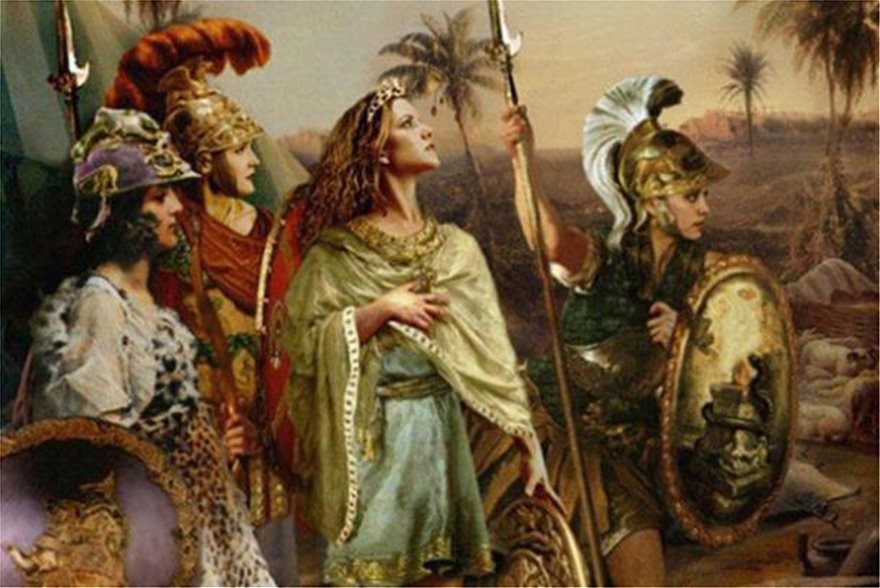
Προβλήματα από αυτούς, αντιμετώπισαν κυρίως η Ήπειρος και η Μακεδονία. Ο Μέγας Αλέξανδρος τους κατατρόπωσε και τους υπέταξε.
Αργότερα, οι Ιλλυριοί επικράτησαν των Αιτωλών, ενώ η βασίλισσα Τεύτα εισβάλει στη σπουδαία ηπειρωτική πόλη Φοινίκη (230 π.Χ.). Μετά από έκκληση των ελληνικών πόλεων, επεμβαίνουν οι Ρωμαίοι οι οποίοι υποτάσσουν τους Ιλλυριούς, που σιγά σιγά εξαφανίζονται από το προσκήνιο (και το παρασκήνιο) της ιστορίας…
Η ιλλυρική γλώσσα
Κι ενώ η αρχαιολογική σκαπάνη φέρνει συνεχώς στην επιφάνεια στοιχεία για τον πολιτισμό των Ιλλυριών, δεν έχει ανακαλύψει ακόμα κανένα δείγμα κειμένου της ιλλυρικής γλώσσας.
Στην περιοχή Πούκα της Αλβανίας, σε πρώιμο βυζαντινό νεκροταφείο της περιοχής, μεταξύ άλλων ευρημάτων, ανακαλύφθηκαν τρία δαχτυλίδια με την επιγραφή ΚΕΒΟΗΘΗΑΝΝ (1898). Επειδή ο χώρος ανασκαφής βρίσκεται μεταξύ Σκούταρι-Σκόδρας και Χρυσόπολης, περιοχής ιλλυριόφωνης κατά την αρχαιότητα, η επιγραφή θεωρήθηκε για τουλάχιστον τριάντα χρόνια ιλλυρική.
Ultimately, to the disappointment of the Albanians, after examining and correlating all the finds in the same area, it was determined that this is a Greek inscription from the Byzantine period (6th-7th century), which reads:
Lord, help Anna!
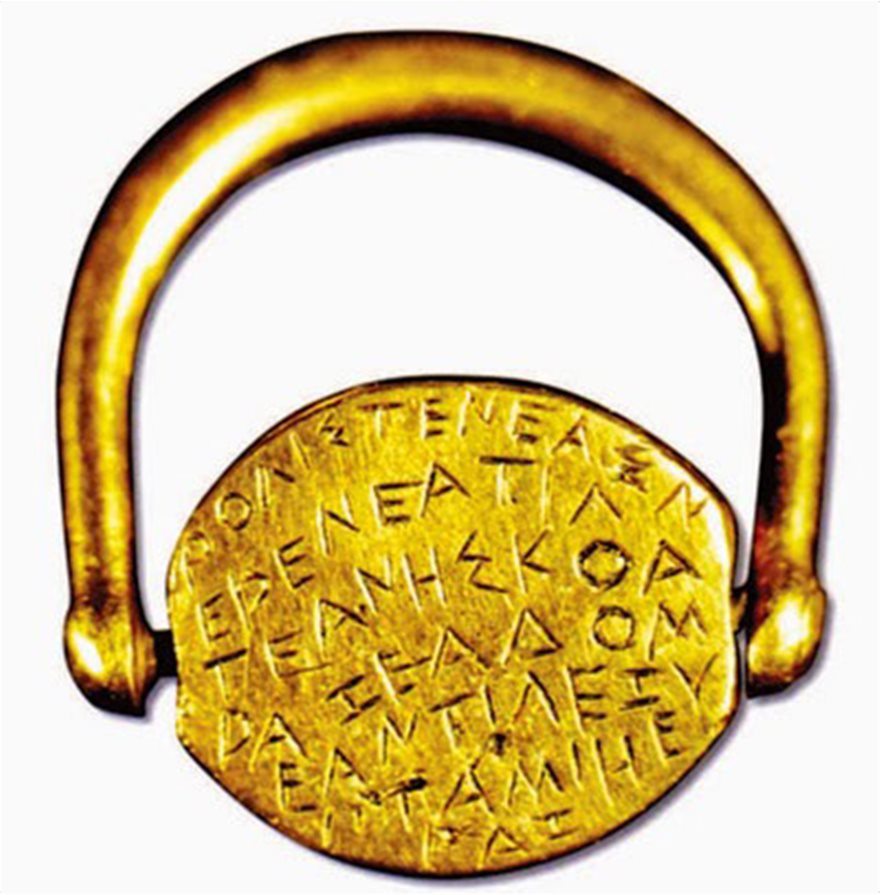
We make a parenthesis here. Something similar happened with the so-called Ezerovo ring, which was discovered in 1912, in the northernmost part of ancient Thrace, between Haskovo and Philippopolis in Bulgaria. Initially, it was claimed that the ancient text engraved on the gold plate is a sample of ancient Slavic or Bulgarian language. However, both Greeks (K. Kourtidis, M. Apostolidis) and foreign scientists (Merlingen, Ribezzo, Seure, Kretschumer) categorically rejected this version.
The leading Greek linguist, Mr. Christophoros Charalampakis, in his publication entitled "Observations on the Ezerovo Inscription" (Thracian Chronicles magazine, vol. 34, pp. 88-89, 1978), as well as his eminent colleague, university professor Charalampos Spyridis, proved that what is written on the ring constitutes an ancient version of the Greek language.
In fact, Mr. Spyridis, after 25 years of research, presented in 2014 a thorough study according to which the Ezerovo ring dates back to 403 BC, was worn by a priest of the Cabeirion, and most likely, what is written on it is a series of notes that give an ancient Thracian melody...
We return to the ancient Illyrian language. Although ancient writers speak of its use (e.g. Polybius 2,6,4) by Teuta, it is not certain that it was not the Greek language spoken at that time (second half of the 3rd century BC) as far as Dacia.
Η ιλλυρική γλώσσα εντάσσεται στις ινδοευρωπαϊκές γλώσσες και ακριβέστερα στην ομάδα satem. Εκεί βασίζεται ιδιαίτερα ο αλβανικός ισχυρισμός ότι η αλβανική γλώσσα είναι συνέχεια της ιλλυρικής και συνεπώς οι Αλβανοί είναι απόγονοι των Ιλλυριών. Όμως, όπως τονίζουν διακεκριμένοι επιστήμονες, στην ίδια ομάδα satem ανήκουν η θρακική και η δακική γλώσσα. Η απουσία από την αλβανική γλώσσα όρων ιχθυωνυμικών και ναυτικής ζωής δεν συνηγορεί ούτε για την αυτοχθονία ούτε για την ιλλυρική τους καταγωγή.
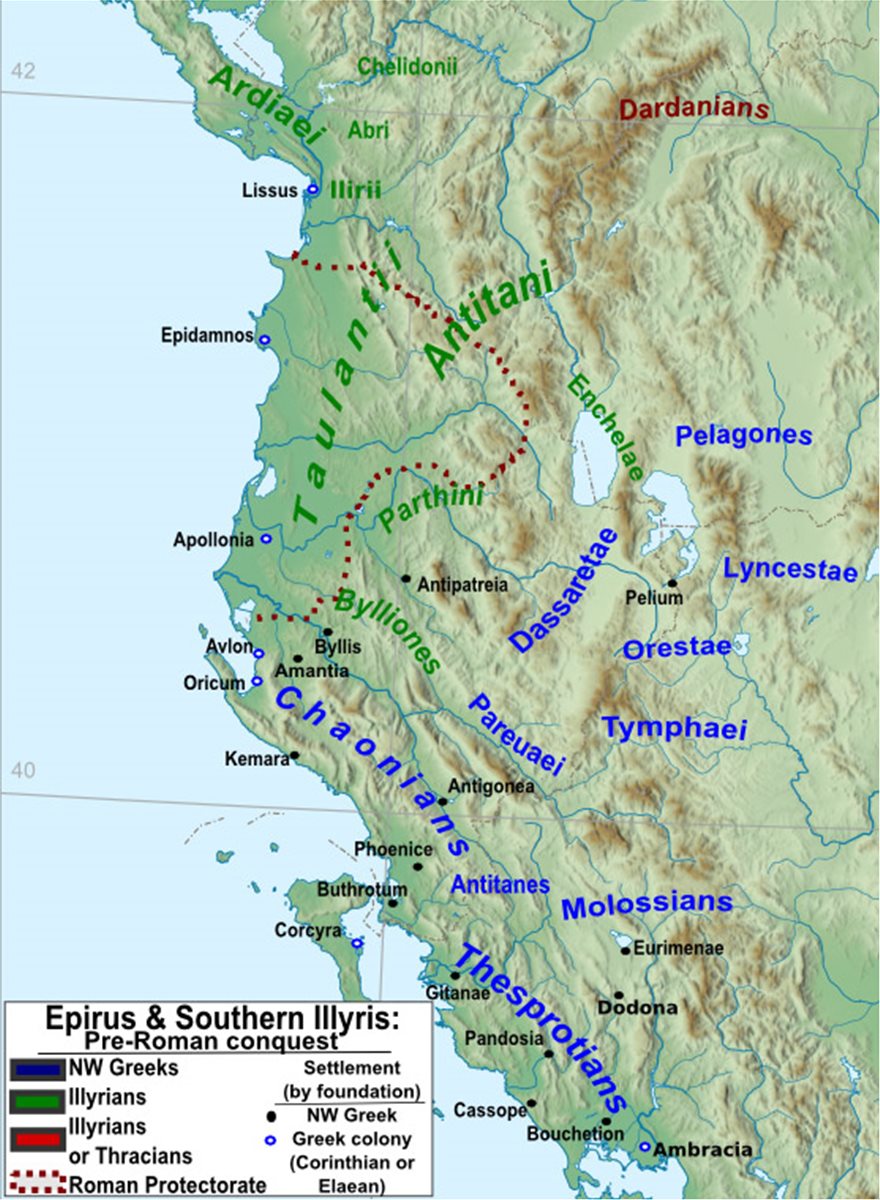
According to Achilleas G. Lazarou, a profound expert on the history of the Balkans and a novelist, "the cradle of the Albanians is located in the hinterland of the Aemos Peninsula and towards the Thracian-dominated area. The Albanian language goes back to the Thracian or Illyro-Thracian substratum, which also means the corresponding location of the original homeland of the Albanians."
The greek tribes of ancient Epirus
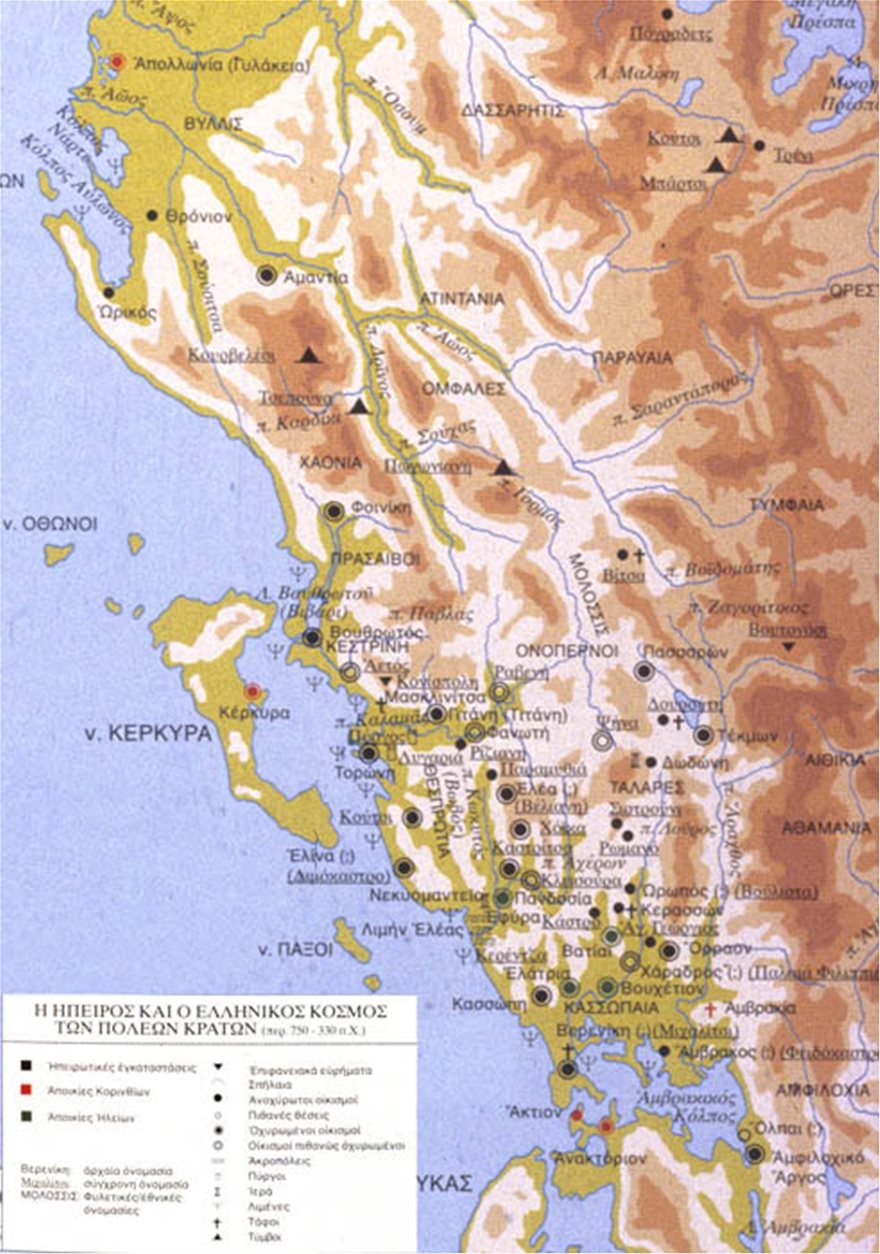
Strabo in his famous book "Geography" describes that the Epirotic tribes were 11: 1) Molossians, 2) Amphilochians, 3) Athamanes, 4) Aethikes, 5) Tymphalians, 6) Orestei, 7) Atintanas, 8) Paroraeans or Paravaeans, 9) Chaonians, 10) Cassopaeans and 11) Thesprotians. Theopompus mentions three more: the Kestrinians, the Triphylians and the Ethnestes.
According to historians, however, the tribes that inhabited Epirus in antiquity were more numerous, as they are mentioned in several decrees and coins. During the excavations at Dodona in 1953, a marble slab was found containing two decrees from the time of King Neoptolemus (370-368 BC). Other Epirote tribes are also mentioned, who lived isolated for many years in mountainous areas or merged with the larger Epirote tribes, mainly the Molossians. These were:
The Talares in Pindus, the Onoperni in Thesprotia, the Omphales in Chaonia, the Amymones in Cassopia, the Genoese in Tymphi (Gamila), the Keleithoi in the region of Thesprotia, the Tripolites also in Thesprotia, the Arktanes in the eastern regions of Epirus, the Peiales in the eastern regions of Epirus, the Avantes in the region of the mouths of the Aoos, the Argyrini in the region of the Keraunia, the Dodonaeans, the Eleatians, the Hellenes and the Chimerians are tribes of the Thesprotian tribe.
The names of the following genders have also been preserved from the mythology and traditions of prehistoric times.
The Hellenes, the Sellians and the Hellenes. Some believe that the Sellians and the Hellenes who inhabited the area of Dodona are the same.
The Dryopes and the Perreivoi are also mentioned as continental tribes. Finally, the tribe of the Graeci is mentioned, the name of which was given by the Romans to all Greeks but is very ancient. According to Aristotle, the tribe of the Graeci has been Greek since the time of the flood of Deucalion.
The Greek tribe lived in mythical times in Epirus around Dodona to the region of Acheloos.
Of the 14 main Greek tribes that lived in Epirus, the most important were the Thesprotians, the Molossians and the Chaonians.
The Atintanes also lived in a part of Northern Epirus. Specifically, they lived in the area of Pogoni (some villages of which were given to Albania in an unacceptable manner, and we will deal with this issue in the future).
However, the chaonians inhabited the Largest Part of northern Epirus.
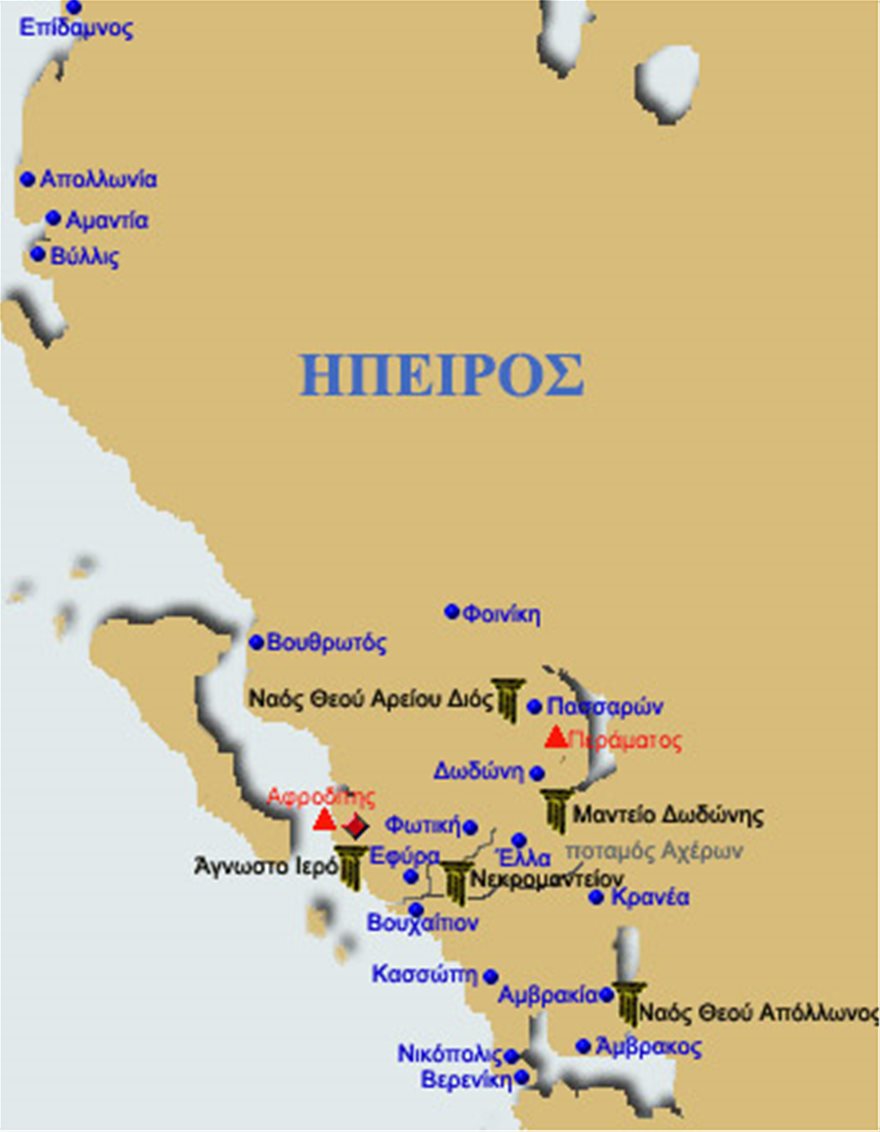
The Chaonian tribe lived in the northwestern part of present-day Northern Epirus as defined by the Povlas River on the southwestern coast, which originates from Mount Murgana (on the present-day Greek-Albanian border) and the Aoos River on the northern coast. It includes the territorial extent of the provinces of Delvinos, Himara and Avlona of present-day Albania. It even occupied the territorial extent of the area around Filiates of Thesprotia of ancient Kestrina.
The main cities of the Chaonians were the following: Buthrus, the most ancient city of Chaonia, Onchismos or Anchiasmos (present-day Aghioi Saranda), Phoiniki, the capital of Chaonia, Orikos, a port on the Gulf of Vlora, Amantia, east of the Gulf of Vlora, in the middle of the valley of the Aoos and Siusitsa rivers, in the present-day village of Pliotsa, and Antigoneia, east of Gjirokastra on the right bank of the Drinos river, in the village of Germa.
The albanian Archaeological Service
The Albanian Archaeological Service has been organized since 1976 under the Center for Archaeological Research in Tirana, which is affiliated with the Academy of Sciences and is responsible for archaeological research and museums throughout the country. It is divided into three departments:
A) Prehistoric, b) Illyrian and c) Medieval.
Greco-Roman antiquities are kept in the "Illyrian" section and Christian antiquities in the "Medieval". The center of interest of the Albanian state is the ethnogenesis of the Illyrians and also "the problem of the continuity of Illyrians and Albanians" whom the official Albanian position considers indigenous since the Bronze Age (2,000 BC).
The excavations of Albanian archaeologists and their findings
From 1973 to 1983, Albanian archaeologists (including those from Northern Epirus) conducted excavations in various areas of the country that are characterized as "Illyrian." The findings of these excavations were almost exclusively Greek, as we will see.
Let's briefly look at some of them.
1) In the Shkodra region (excavations by A. Koka 1980 and 1983), the prehistoric finds present characteristics observed in the Aegean, while the finds of the rich tombs of the 6th-5th centuries BC contained archaic Greek vases and various jewelry.
2) In the area of the Mat River (excavations D. Kurti 1975, 1978 and 1980), among the various findings of the numerous burial mounds, Mycenaean-era swords and manuals of a type known from the Aegean region stand out.
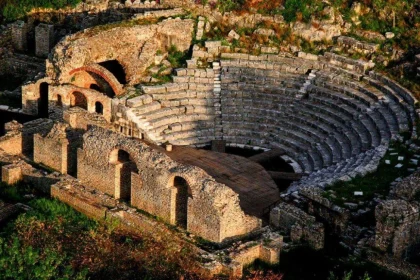
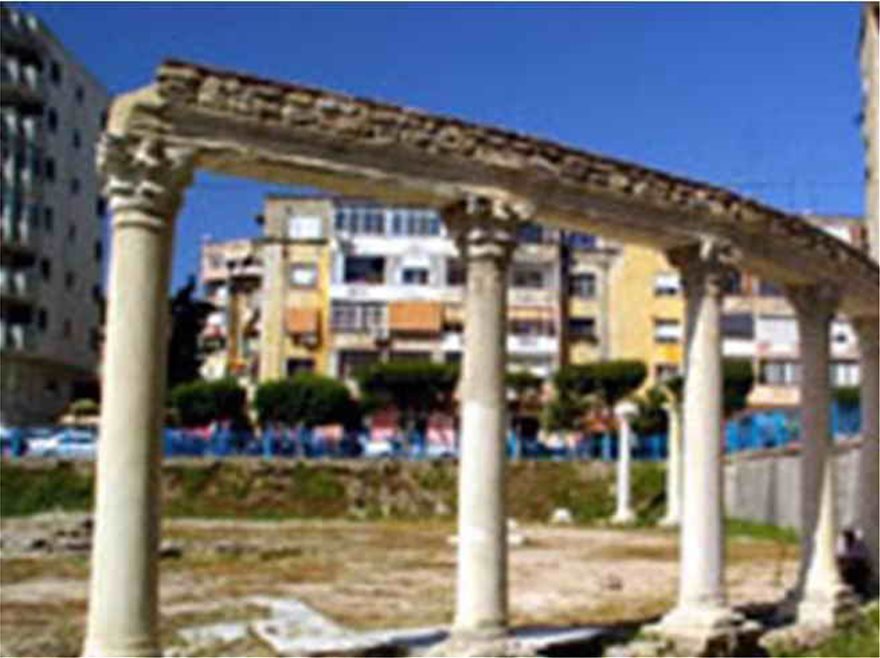 Ruins of the amphitheater of ancient Epidamnos-Dyrrachium
3) In Dyrrachium, the ancient Greek colony of Epidamnus, numerous offerings were found in 135 graves, including jewelry and clay vessels of the Corinthian and Ionic styles. Southeast of Dyrrachium, a magnificent basilica with a temple of the archangel Michael was found, mentioned by Anna Komnene. Southwest of the Genousos River, excavations continued (N. Ceka, 1973-1974) and Corinthian and numerous other vessels were found.
4) In the area of Fieri, where the ancient Greek city of Villis was located, an ancient theater of the 3rd century BC and parts of a stadium were discovered. Because the layout of the theater and the stadium reminds Albanian archaeologists of Dodona, in their theories Dodona… becomes Illyrian!
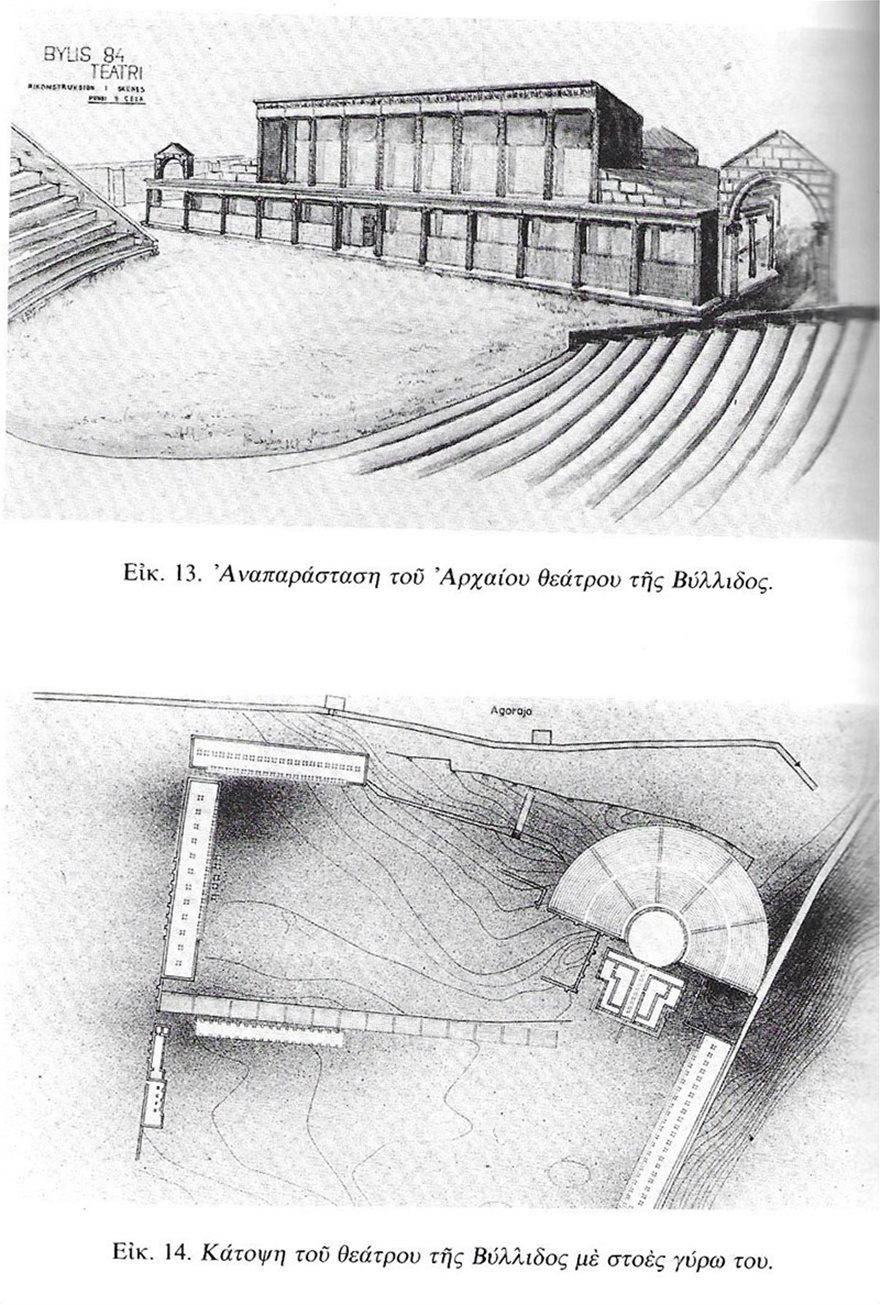 From the book: FOTIOS M. PETSAS, "PAGES FROM THE HISTORY OF EPIRUS FROM MYTHICAL TIMES TO OUR DAYS", IMIACH PUBLISHINGS, IOANNINA 1993=
5) The finds in ancient Apollonia are significant, making it the most important of the 30 Apollonias of the ancient world.
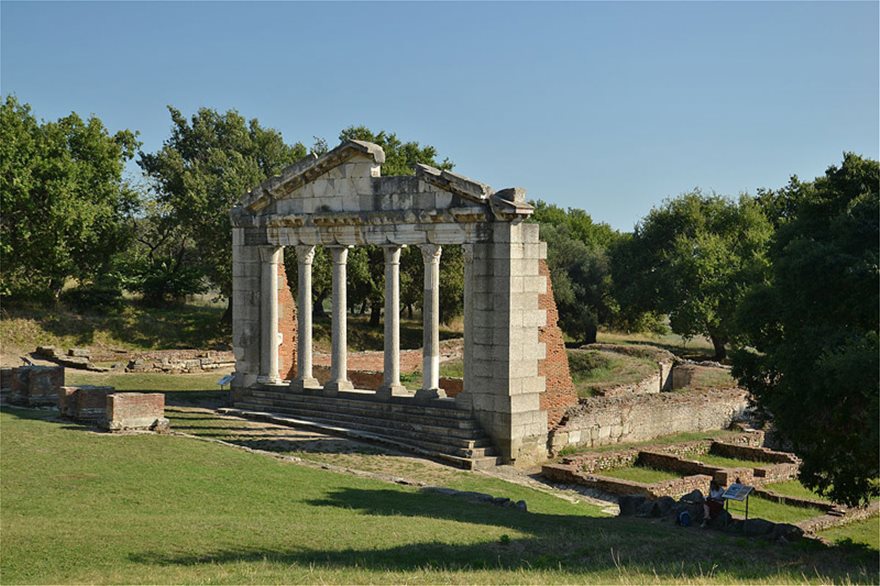 Apollonia – Monument of the Athletes
6) In the area of Veratio, the ancient Greek cities of Antipatria (H. Spahin 1973-78) and Dimalli were excavated.
In Antipatria, the first findings date back to the 6th century BC. The newer city, built by Pyrrhus, is characterized by the Albanians as an "Illyrian/Albanian City".
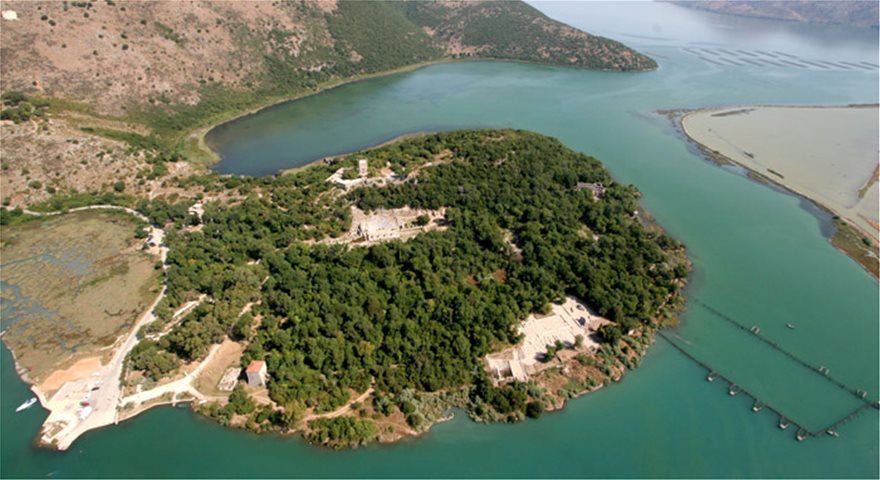 Buthrodo
We also have important archaeological finds from the areas of Pogradec, Korçë, Kolonia, Premet, Aghia Saranda, and of course Buthros and Phoenicia, which we will return to, if necessary.
And finally, excavations near Gjirokastra revealed the location of Antigoneia, a city founded by Pyrrhus.
It is also characteristic that in many statues and other finds, Parian marble was used, another example of the Greek nature of the finds.
Παρά τις προσπάθειες των Αλβανών να εμφανιστούν ως πανάρχαιοι κάτοικοι της περιοχής όπου ζουν σήμερα, κάτι τέτοιο δεν τεκμηριώνεται επιστημονικά. Και αν ζούσαν στη σημερινή Αλβανία από την αρχαιότητα, γιατί δεν υπάρχουν, έστω ελάχιστα εργαλεία, αγάλματα κλπ., που να φέρουν την σφραγίδα τους; Με το να βαφτίζονται «ιλλυρικά-αλβανικά», τα αρχαία ελληνικά ευρήματα, προκαλείται απλώς μια θυμηδία στους σοβαρούς, και όχι τους κατευθυνόμενους, επιστημονικούς κύκλους. Έτσι, η παλαιότερη γραπτή μαρτυρία γι’ αυτούς, προέρχεται από την Άννα Κομνηνή (11ος-12ος αι.), όταν αναφέρεται όπου αναφέρεται ο «κομισκόρτης ο εξ Αρβάνων». Και περιμένουμε, με πραγματικό ενδιαφέρον, οποιαδήποτε αντίθετη τεκμηριωμένη επιστημονική άποψη, για όσα γράψαμε…
Sources: FOTIOS M. PETSAS, "PAGES FROM THE HISTORY OF THE CONTINENTS FROM MYTHICAL TIMES TO THE PRESENT DAY", IMIACH PUBLICATIONS, IOANNINA 1993. COSTAS N. NIKOLAIDES, "HISTORY OF ANCIENT EPIRUS", IOANNINA 1995 ENCYCLOPEDIA "PAPYRUS-LARUS-BRITISH", entries "Illyrian", "Illyrian language", by the distinguished Balkanologist-Romanist Achilleas G. Lazaros.
Michael Stoukas / protothema.gr

Χαχα! Πάντα ελληνικά βγαίνουν στο τέλος! Μάλλον κάποιοι έχουν θέμα με την ιστορία.