

According to the British Library, the invention of complete writing systems appears to have occurred independently on at least four separate occasions. The earliest of these appeared in Mesopotamia around 3400–3300 BC, with cuneiform writing. This was followed by Egypt around 3200 BC, China during the Shang dynasty (1300–1050 BC), and the civilizations of Mesoamerica around 900–600 BC.
Although the above chronologies suggest the possibility of writing spreading from a central point, each system bears unique characteristics, suggesting independent inventions. This diversity reflects the creativity of different cultures, while their study illuminates the history of human communication.

Mesopotamia

Writing in Mesopotamia emerged about 5,500 years ago. It began as a system of simple pictorial symbols, which evolved into characters for recording languages such as Sumerian. Around 2900 BC, these characters were carved into wet clay with a reed, creating the characteristic wedge-shaped shapes.
Over the centuries, cuneiform writing was adopted by various languages and cultures, extending its use until the 1st century AD. The last known cuneiform document is an astronomical text from 75 AD.
The Indus Valley

Η γραφή της Κοιλάδας του Ινδού αναπτύχθηκε κατά την περίοδο του πολιτισμού Χαράππα, με τα αρχαιότερα γνωστά δείγματα να χρονολογούνται περίπου από το 2600 π.Χ. Τα σύμβολα εμφανίζονται κυρίως σε μικρές σφραγίδες από στεατίτη, συχνά δίπλα σε παραστάσεις ζώων, όπως ταύροι, ελέφαντες και ο λεγόμενος «μονόκερως». Οι σφραγίδες πιθανότατα συνδέονταν με την ταυτότητα, το εμπόριο ή τη διοίκηση, καθώς παρόμοια αντικείμενα έχουν βρεθεί σε περιοχές που συμμετείχαν στα εμπορικά δίκτυα της εποχής. Ωστόσο, η γραφή της Κοιλάδας του Ινδού δεν έχει ακόμη αποκρυπτογραφηθεί, με αποτέλεσμα να παραμένουν άγνωστα η γλώσσα που καταγράφει και το ακριβές νόημα των συμβόλων.
Egypt

Excavations in Egypt have revealed writing from 3250 BC, almost simultaneously with Mesopotamia. Hieroglyphics, often used for ceremonial purposes, were accompanied by “priestly” writing for practical uses.
The ancient Egyptians also developed the art of writing with ink, an innovation that significantly influenced the evolution of writing.
China

The earliest evidence of writing in China was found on oracle bones from the Shang Dynasty. The symbols carved on these bones include over 4,500 different signs, many of which are precursors to modern Chinese characters.
Mesoamerica
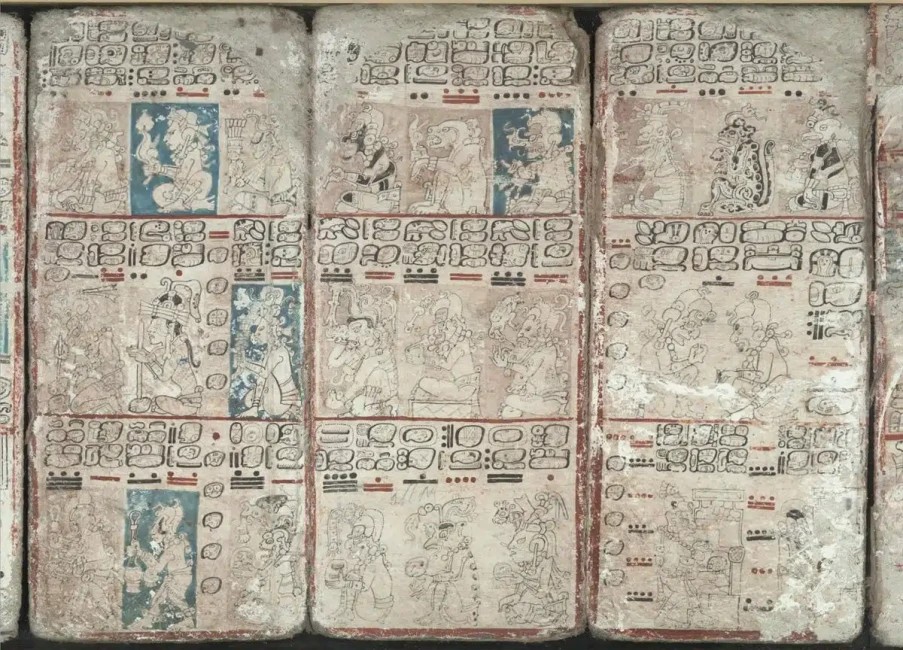
Writing in Mesoamerica emerged around 900 BC, with the Maya, Aztecs, and Olmecs using different writing systems. Scribes held high social status, and the few surviving manuscripts provide valuable information about ancient civilizations.
The greek written language

The Greek language is one of the oldest written languages and remains alive today. The earliest scripts associated with the Greeks are Linear A (1900 BC), which remains enigmatic, and Linear B (1450 BC), which was deciphered in the 20th century.
The adoption of the Phoenician alphabet in the 9th century BC led to the development of the Greek alphabet, which formed the basis for many later writing systems. The rich literary and philosophical output of ancient Greece left an indelible mark on Western civilization.



Και τι μας νοιάζει τόσο παλιά; Το μυαλό μου θα μπερδευτεί με τόσες χρονολογίες. Ας το αφήσουμε.
Πάλι οι ‘ειδικοί’ μας λέι τι έγινε με τήν γραφί. Σίγουρα ανεξάρτητα ήταν; Η Βρετανική Βιβλιοθήκη τι ξέρει;
Πάντα τα ίδια, πάλι ιστορία. Δηλαδή πόσες φορές θα μας πείτε για το πώς γράφανε οι παλιοί; Αφού το ξέρουμε.
Panta ta idia. Nomizoun mono autoi eixan. Kai oi Illyrioi eixan paliografa. Den les pote ti prepei.
πάλι μας Παρουσιάζουν ότι υιοθετήσαμε από τους Φοίνικες το κλασικό Αλφάβητο
οι Φοινικιστες και οι Ινδοεβρωπαιστες τώρα έρχονται σε αντίθεση
το Ελληνικό αλφάβητο είναι η Μαθηματική ερμηνεία του σύμπαντος αυτόχθονο μόνο Ελληνικό
Panta ta idia akoume. Lathos einai afto pou grafei. Iparxoun kai pio palies gloses sto kosmo. Den ksereis kala.
Πάλι η Βρετανική Βιβλιοθήκη. Ναι, ναι, ανακάλυψαν τους αρχέους. Τί κρύβουν πάλι πίσω απ’ αυτές τις ιστορίες για γλοσές;
Καλά, και τι έγινε που τα βρήκαν; Και πριν από αυτά, τίποτα; Πάντα οι ίδιες ιστορίες για το πώς ξεκίνησαν όλα.
Ti malakies grafei afto. H dikia mas glossa i pio arxaia, oxi Mesopotamia. Panta idia istoria, lathos.
Poios leei tetoia? Panta grafoume emeis. Sigoura allou einai i protoxrono grafi, oxi auto pou grafeis.
Πάλι αρχαία θέματα; Καλά, πόσες φορές ανακαλύφθηκαν αυτά τα συστήματα επικοινωνίας; Δεν προλαβαίνω να τα αφομοιώνω, μπερδεύομαι!
Linear A is connected with Minoan-pre Greek civilisation
Μας λένε για τις πρώτες ομιλιές και γραφες, λες και δεν υπήρχε τίποτα πριν. Σίγουρα κρύβουν κάτι, δεν είναι απλά ιστορια. Ξυπνάτε!
κοίτα πώς εμφανίστηκαν τα συστήματα γραφής σε τόσα μέρη ανεξάρτητα. πολύ αρχαία ιστορία, μετράει χρόνια.
ρε φίλε, πόσο παλιά είναι όλα αυτά; οι άνθρωποι σκέφτονταν πολύ τότε, ε;