
The center of Tirana turned into a scene of fierce clashes on Tuesday, October 13, 2026, when the demonstration of students and citizens outside the Ministry of Education was marked by incidents, the intervention of strong police forces, the use of tear gas and arrests. The mobilization highlighted the accumulated dissatisfaction with the government of Edi Rama, with the younger generation demanding better study conditions and meaningful prospects for its future.
The demonstration was scheduled for 2 p.m., following a call by students protesting the situation at universities, the high cost of studies, insufficient financial support and limited professional opportunities after graduation. The demands were linked to the general social discontent and the ongoing anti-government protests in the Albanian capital.

Tensions escalated when groups of protesters threw stones, firecrackers and other objects at the Ministry of Education, damaging windows and the building's fence. Police responded with extensive use of tear gas and water cannons, and clashes ensued in the surrounding streets. According to police statements, at least 23 arrests were made, while six police officers and a journalist were injured.
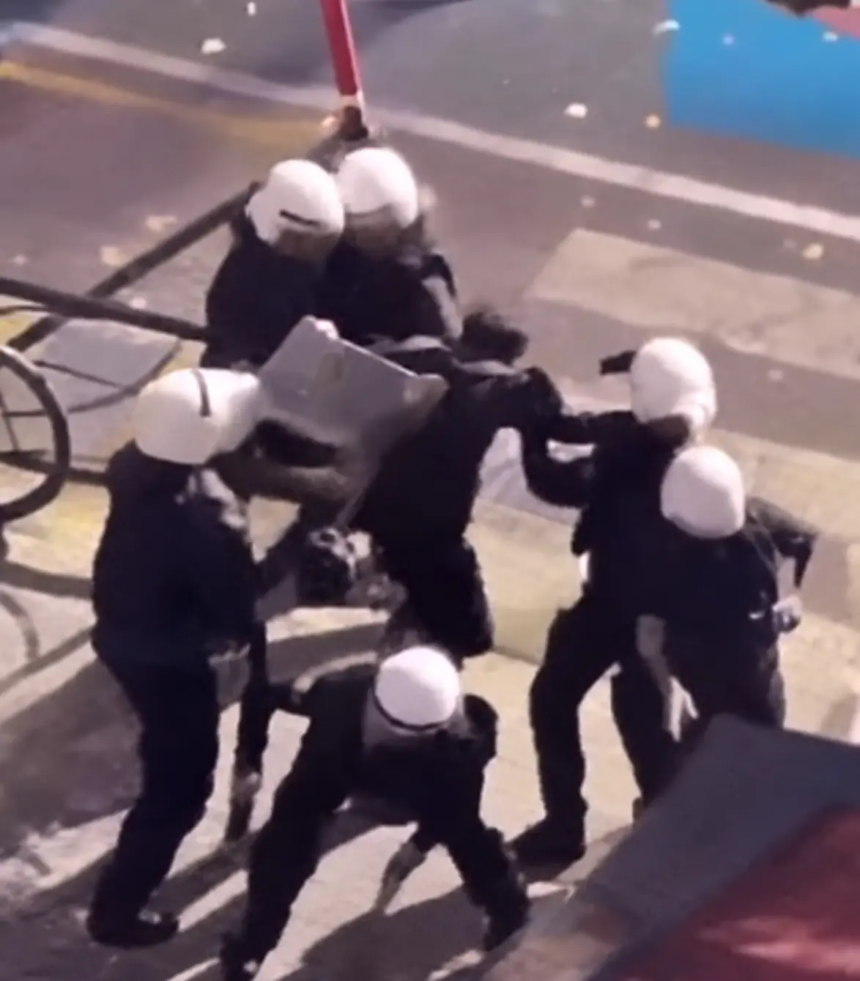
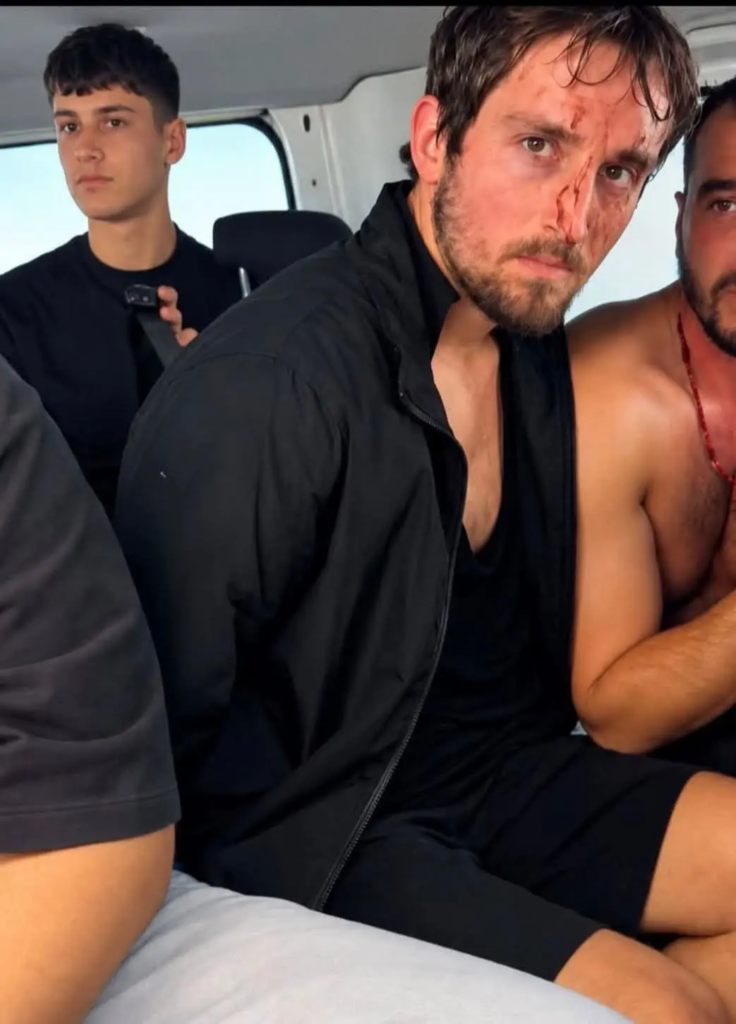
One of the images that caused the strongest reactions was the clash between University of Tirana student Klevin Metaj and six police officers from the FNSH special rapid intervention unit. A widely circulated video shows the young man confronting the officers, who are wearing helmets, shields and batons. He was then taken into custody, while later images show him covered in blood inside a police vehicle.
These images raise serious questions about the treatment of those arrested and the proportionality of the police intervention. The use of violence by protesters does not justify excessive use of force by security forces, who have an obligation to protect the physical integrity of every citizen, even during incidents.
The students' anger is not limited to the events of October 13. The protests are linked to demands that remain unresolved from the large student protests of 2018. The young people accuse the Rama government of unfulfilled promises, insufficient support for public education and a lack of prospects, in a country where immigration is still a way out for many young people.
The government is now faced with questions on two levels. On the one hand, it is called upon to respond to specific demands for education and employment. On the other hand, it must ensure that complaints of police violence are investigated and that those responsible for any excesses are held accountable.
The standoff in Tirana highlights the deep divide between a segment of the younger generation and the government of Edi Rama. Students are demanding answers about their future, while images of clashes and injured protesters make the need for accountability, meaningful dialogue and respect for the right to protest even more urgent.




Πάλι τα ίδια; Οι πιτσιρικάδες ζητάνε τα αυτονόητα και αυτοί ρίχνουν χημικά. Μακάρι να δούμε προκοπή.